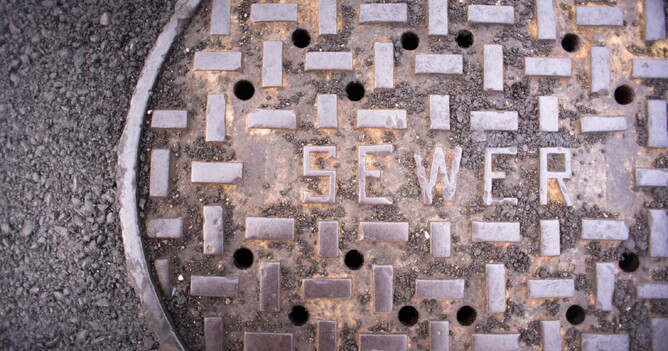
Understanding the difference between 'sewage' and 'sewerage' is more than just a matter of semantics. It's a crucial distinction that can significantly impact your dealings with drainage issues, planning a new build, or arranging maintenance for an existing wastewater system.
At Drainpro, we understand this importance and regularly assist homeowners, developers, and commercial clients in navigating these systems across Auckland and beyond.
Sewage: The Wastewater Itself
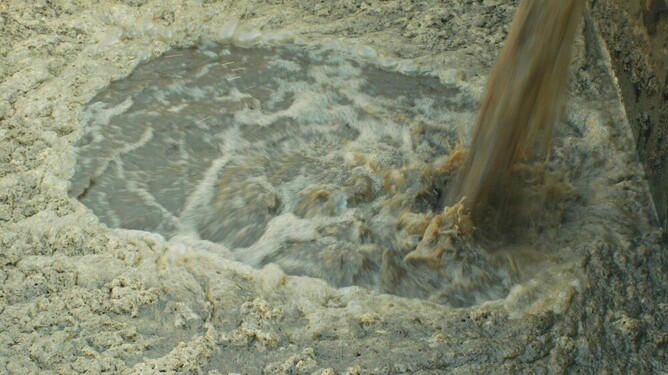
Sewage refers to the actual waste materials that exit homes and buildings via toilets, sinks, showers, and drains. This includes blackwater from toilets as well as greywater from laundry, dishwashers, baths, and sinks.
In some older or combined systems, stormwater runoff from roofs and driveways can also become part of the sewage system, although this practice is increasingly discouraged due to environmental concerns.
Sewage contains organic matter, bacteria, and chemicals that, if not properly treated and managed, can pose serious risks to public health and the environment.
This underscores the urgency of having an efficient method for removing and treating this waste on every property-urban or rural. This is where sewerage comes into play.
Sewerage: The Infrastructure That Manages the Waste
Sewerage is the network that collects, transports, and treats sewage. It includes everything from underground pipes and manholes to pumping stations, treatment plants, and discharge outlets.
Essentially, sewerage refers to the system of infrastructure, while sewage is the material that flows through it.
This distinction is more than just semantics. It's crucial when diagnosing problems, applying for building consents, or planning property upgrades.
For instance, a blockage in your pipes or a break in the line is an issue within the sewerage system, whereas a backup of waste into your home is the result of sewage failing to move through that system as it should.
Why It Matters for Property Owners and Builders
When something goes wrong with your drainage system, knowing whether it's a sewage or sewerage issue can help you communicate more effectively with your contractor or council.
It also helps when choosing the right solution for your property, especially in areas where sewer connections may not be available.
In urban areas like Auckland, most properties are connected to the public sewer network. However, in rural and semi-rural areas around Central Otago, parts of Christchurch, and the outskirts of Hamilton, it's common for homes and businesses to rely on on-site wastewater treatment systems such as septic tanks.
Drainpro specialises in septic tank installation for Auckland homeowners in the North/West that lifestyle block owners can trust. We design and install systems that meet local council standards while ensuring long-term efficiency and environmental safety.
We also work with clients in Central Otago, Hamilton, and Christchurch, delivering custom drainage solutions suited to a wide range of site conditions.
Drainlayers Auckland Trust - and Across New Zealand
Our team of registered drainlayers in Auckland, Hamilton, Christchurch and Central Otago, bring decades of combined experience to every job.
Whether you're subdividing land, building a new home, upgrading a commercial site, or dealing with recurring blockages or poor drainage, we have the expertise to handle it all.
More importantly, we don't just work in Auckland. Our services are available throughout the North and South Islands. We've worked extensively in Hamilton, helping both residential and commercial clients with new drainage and remedial work.
In Christchurch, we understand the unique demands that come with post-earthquake infrastructure and challenging soil conditions.
And in Central Otago, our team provides robust septic and drainage systems designed to handle freezing temperatures, high groundwater tables, and varied topography.
A Closer Look at Septic Tanks
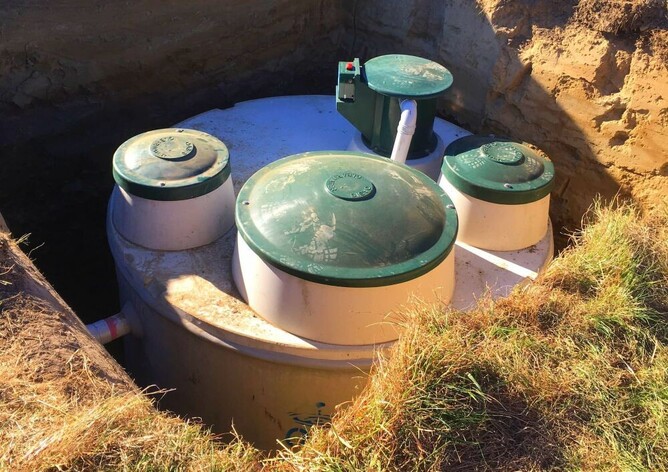
For properties not connected to the mains sewer system, a septic tank is a vital solution for managing wastewater. These systems are common in rural and semi-rural areas throughout New Zealand, including parts of Auckland, Central Otago, Hamilton, and Christchurch, where reticulated sewerage infrastructure may be limited or unavailable.
A septic tank is an on-site wastewater treatment system that collects sewage from a property, allowing solids to settle and partially decompose. The liquid effluent is then discharged into a drainage field or treatment system where it is further filtered by soil and natural processes. While simple in concept, septic tanks must be correctly designed, installed, and maintained to prevent them from becoming a health or environmental hazard.
At Drainpro, we provide expert septic tank installation services Auckland property owners can rely on, from small domestic systems to larger setups for commercial or shared use.
We assess your site's ground conditions, property layout, and water table to ensure your system is compliant and efficient for years to come. Our team manages everything from the initial planning and council approvals to excavation, installation, and post-installation inspections.
We also provide advice on upgrading outdated or failing systems, and can help you switch to modern septic tanks or advanced treatment units that meet current environmental standards.
In regions like Central Otago, where weather extremes and terrain can be challenging, or in Christchurch, where soil liquefaction is a concern, our team tailors septic solutions to meet the specific demands of each site.
Remember, ongoing maintenance is just as important as proper installation. Septic tanks require periodic inspections and pump-outs to avoid overflow, blockages, and system failure.
If you're unsure when your tank was last serviced, or if you're noticing slow drains, unpleasant smells, or soggy ground near your system, it may be time to get it checked.
Whether you're building a new system or upgrading an existing one, Drainpro offers dependable solutions backed by expert knowledge and practical experience. Wherever you're located, Auckland, Hamilton, Christchurch, or Central Otago, we'll make sure your septic tank system is set up for success.
Frequently Asked Questions About Sewage and Sewerage
What is the difference between sewage and sewerage?
Sewage is the wastewater and waste material that leaves a property through toilets, sinks, showers, laundries, and other drains. Sewerage is the network of pipes, pumps, treatment facilities, and other infrastructure used to collect, transport, and treat that sewage. Put simply, sewage is the waste, while sewerage is the system that manages it.
Is wastewater the same as sewage?
The terms are often used interchangeably, but wastewater is a broader term. It can include sewage from homes and businesses, as well as water produced by commercial or industrial activities. Domestic sewage generally includes both blackwater from toilets and greywater from showers, sinks, washing machines, and dishwashers.
What is the difference between blackwater and greywater?
Blackwater is wastewater from toilets and contains human waste, harmful bacteria, and other contaminants. Greywater comes from showers, baths, basins, laundries, and kitchen areas. Although greywater may appear less hazardous, it can still contain chemicals, fats, food particles, and bacteria, so it must be managed appropriately.
Are sewage and stormwater carried through the same pipes?
In most modern drainage systems, sewage and stormwater are kept separate. Sewage is directed to a wastewater treatment system, while stormwater is carried away through dedicated drains. Incorrect stormwater connections can overload sewerage infrastructure and increase the risk of overflows, pollution, and property damage.
How do I know whether my property is connected to the public sewerage network?
Property records, council drainage plans, and building documentation may show whether a property is connected to the public sewer network. Visible inspection points, septic tank lids, or wastewater treatment equipment may also indicate that the property uses an on-site system.
We can inspect the site and help confirm how wastewater is currently managed.
When does a property need a septic tank?
A septic tank or another on-site wastewater treatment system may be required when a property cannot connect to a public sewerage network. This is common in rural, semi-rural, and lifestyle areas.
The appropriate system will depend on the property size, number of occupants, soil conditions, groundwater level, available land, and local council requirements.
How often should a septic tank be pumped out?
The required frequency depends on the tank size, household occupancy, water use, and the type of system installed. Many septic tanks need to be inspected regularly and pumped out every few years, but some properties may require more frequent servicing.
We recommend following the system manufacturer's guidance and arranging an inspection if the maintenance history is unknown.
What are the warning signs of a sewage or sewerage problem?
Common warning signs include slow-draining fixtures, gurgling pipes, recurring blockages, sewage smells, wastewater backing up into the property, overflowing inspection points, or wet and unusually green ground near a septic tank or disposal field.
These symptoms should be investigated promptly because delaying repairs can lead to more serious damage and health risks.
Can I install or replace a septic tank myself?
Septic tank design and installation should be completed by suitably qualified professionals. The system must be appropriate for the site, installed correctly, and compliant with relevant council and environmental requirements.
Professional planning also helps reduce the risk of poor drainage, groundwater contamination, system failure, and expensive remedial work.
What should I avoid putting down drains or into a septic system?
Fats, oils, wet wipes, sanitary products, nappies, paint, solvents, pesticides, strong chemicals, and non-biodegradable materials should not be flushed or poured down drains.
These items can cause blockages, damage pipes, disrupt the natural treatment process inside a septic tank, and shorten the life of the wastewater system.
Who is responsible for repairing a sewerage problem?
Responsibility usually depends on where the fault is located. Property owners are generally responsible for private drains and wastewater systems within their property boundary, while the local network operator or council may be responsible for public sewerage infrastructure.
A professional drainage inspection can help identify the location of the problem and determine the appropriate next step.
Can an existing septic system be upgraded?
Yes. Older, undersized, or failing septic systems can often be replaced or upgraded with a modern septic tank or advanced wastewater treatment system.
We assess the current system, site conditions, wastewater demand, and disposal area before recommending a solution that supports reliable performance and current environmental expectations.
The Bottom Line
Sewage is the waste. Sewerage is the system. Both are critical to healthy, functional living, and both require the right expertise to manage effectively. Whether you're connected to mains sewerage or planning a septic tank installation for your rural property, Drainpro can help.
With years of experience, certified professionals, and a commitment to quality workmanship, we're the go-to team for drainage solutions across Auckland, Hamilton, Christchurch, and Central Otago.
If you're building, renovating, or simply unsure about the condition of your wastewater system, contact the team at Drainpro. We'll help you understand your options and ensure your property is set up with a system that's safe, compliant, and built to last.
At Drainpro we also service the Waikato, Bay of Plenty, Christchurch and Central Otago regions.