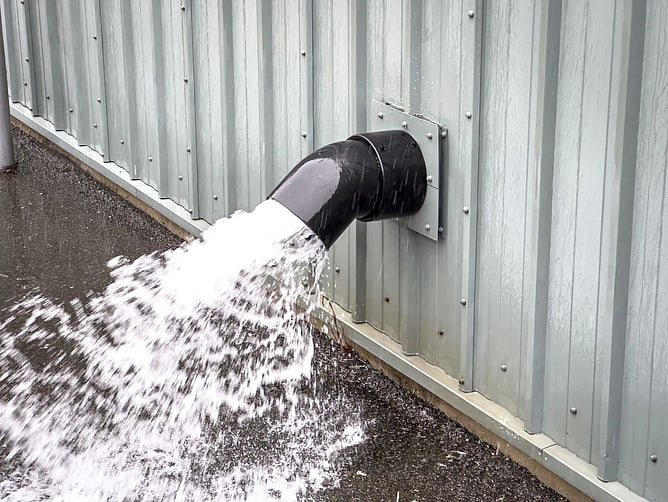
Overflowing gutters often look like a simple maintenance issue. Sometimes they are. Leaves, silt, and roof debris can block the flow and send water over the edge.
But not every overflow problem stops at the gutter line. In many cases, the real issue continues lower down. That is where drainage problems start to affect the property.
At DrainPro, we often see water issues that seem minor at first. A homeowner notices spilling gutters, damp ground, or water near the base of the house. Later, it becomes clear that the problem involves more than surface cleaning.
A blocked gutter is only one part of the system
Gutters collect roof water and direct it into downpipes. From there, the water still needs to be properly directed away from the home. If the next stage is blocked, damaged, or undersized, the system can still fail.
That is why repeated overflow should not be ignored. Even if the gutters are cleared, water may still back up if the downpipe or stormwater line cannot cope. Cleaning helps, but it does not solve every cause.
This is where much of the confusion starts. Homeowners often assume the gutter itself is the only issue. In reality, the problem may sit further down the chain.
When cleaning is the right first step
In many homes, regular maintenance is exactly what is needed. If leaves, moss, and built-up debris are stopping water from reaching the downpipe, a proper cleaning can restore normal flow. That is a sensible first check, especially before heavier rain.
For that reason, organising routine gutter cleaning by Hamilton homeowners can play an important role in overall property maintenance. Dry Gutts, for example, offers gutter cleaning as part of its wider exterior cleaning work in Hamilton and Waikato. In a case like this, the cleaning service is the practical first step, not a recommendation or referral.
Signs the problem may be bigger than the gutter
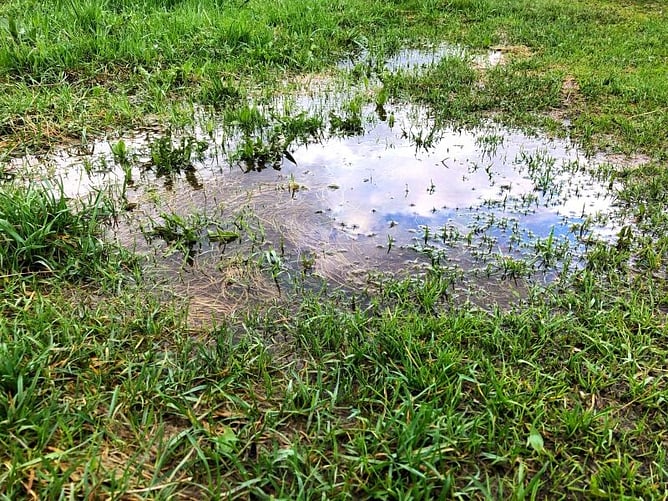
Some warning signs suggest the issue goes beyond debris at the roof level. One is when the gutters have already been cleaned, but overflow keeps happening. Another is when water pools near the house after rain.
You may also see downpipes spilling at the base. In some cases, there is no visible blockage above, but the system still struggles in moderate rainfall. That can point to a blocked underground line, poor discharge, or a stormwater system in need of attention.
These problems are easy to miss during dry weather. The property may look fine most of the time. Then one downpour shows that water has nowhere useful to go.
Downpipes and stormwater lines matter just as much
A roof drainage system does not end at the spouting. Once water reaches the downpipe, it still has to be carried away safely. If that path is restricted, pressure builds up, and the symptoms often appear higher up.
That is why a clean gutter does not always mean a solved problem. The roof edge may be clear, while the pipe below is partly blocked. The result is the same for the homeowner. Water still spills where it should not.
From a drainage perspective, the entire path matters. Gutters, downpipes, collection points, and underground stormwater lines all need to work together.
Why this matters for Hamilton properties
Hamilton and wider Waikato properties deal with a mix of housing types, trees, older drainage layouts, and ongoing site changes. Some homes have mature planting close to the roofline. Others have added paving, driveways, or landscaping that affects how water behaves once it reaches ground level.
That means a visible overflow is not always a stand-alone issue. Roof water may reach a system already under pressure. If the ground drainage is poor, the impact becomes more obvious during wet periods.
For homeowners, the key point is simple. Overflow is a symptom. The cause may be maintenance, drainage, or a combination of both.
When to call a gutter cleaner and when to call a drainlayer
A cleaning service makes sense when the build-up is visible, and access is safe. If the gutters are full of debris, regular maintenance is usually the logical place to start. That can reduce the load on the rest of the system.
A Hamilton drainlayer becomes important when the same issue keeps returning or when water is not clearing once it leaves the downpipe. If there is ponding, surcharge, blocked discharge, or signs of underground failure, cleaning alone is unlikely to fix it.
In many cases, the right answer is not choosing one trade over the other. It is knowing which part of the system is actually failing. That helps avoid wasted time and repeat callouts.
A few questions worth asking early
Has the property had recent gutter cleaning? Does the overflow happen in one area or across the whole house? Is water also sitting near walls, paths, or entry points?
It also helps to ask whether the issue only appears in very heavy rain. If it happens during moderate rainfall, that is often a sign the system is not coping as it should. Early checks usually cost less than delayed repairs.
Final thoughts
Overflowing gutters should never be dismissed as a minor nuisance. Sometimes the fix is simple. Sometimes the overflow is telling you that the wider drainage system needs attention.
The best outcome usually comes from identifying the real source of the problem early. Clean gutters matter, but so does everything the water reaches next. That is what keeps a property dry, functional, and easier to maintain over time.