When embarking on a new residential build or a major renovation, the focus is often on the "unseen" infrastructure. Getting the site works right, specifically the expert drainlaying and stormwater management provided by the team here, is the foundation of a long-lasting home.
However, once the ground is sealed and the frames are up, the next priority for many Waikato homeowners is ensuring the interior is as functional and efficient as the drainage system beneath it.
This is where the selection of high-quality fireplaces Hamilton families rely on becomes a critical part of the second-fix stage.
When Should Heating Be Planned in a New Build?
Heating should ideally be considered during the design and service-planning stages of a new build, rather than waiting until the house is close to completion.
You may not need to choose every final product immediately, but knowing the likely heating type and location helps your builder and trades understand what needs to be accommodated.
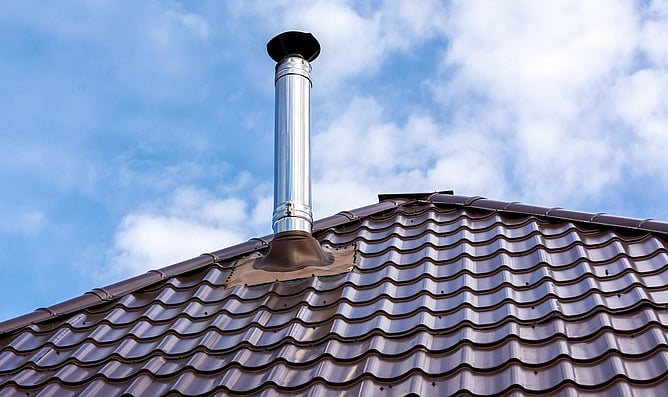
For example, a home designed around a fireplace may require consideration of its position, clearances, flue route and, depending on the system, gas or electrical services. Heat pumps, hot-water heat pumps and other heating equipment can also require suitable exterior locations and access.
At the same time, we need to consider sewer and stormwater routes, inspection points, wastewater infrastructure and other below-ground services.
It is much easier to coordinate these requirements while they are still lines on a plan than after drainage has been installed, concrete has been poured or landscaping has begun.
Why Drainage and Heating Decisions Can Affect Each Other
A fireplace does not normally form part of the drainage system, but both systems exist within the same property and construction programme.
That matters because new-build sites have limited space.
Underground drainage may need to pass through areas that will eventually contain patios, driveways, retaining structures or outdoor equipment. Heating installations may require external services or permanent structures in some of those same locations.
Knowing about these features early gives everyone a clearer picture of the finished property.
Our Hamilton and Waikato drainlayers work with builders and homeowners on new residential drainage, septic tanks and wastewater solutions. When we can see the wider site plan early, it is easier to make drainage decisions that support what the rest of the project is trying to achieve.
Choose Your Heating System Early Enough to Coordinate the Details
Different heating systems create different planning requirements.
A wood fireplace, gas fireplace and electric heating system do not have identical installation needs. Fireplace position, flue design, ventilation, fuel source, power supply and clearances should all be discussed with an appropriately qualified heating specialist.
Hamilton fireplace specialists can advise homeowners on suitable fireplace options and the installation requirements associated with their chosen system.
From our perspective as drainlayers, the important thing is that those decisions are shared with the wider project team early enough to identify any potential clashes with drainage routes, external services or finished site works.
Make Compliance Part of the Plan From the Start
Drainage is regulated work, so correct design and installation need to be built into the project programme rather than treated as an afterthought.
At DrainPro, we work with builders and homeowners to make drainage design, installation, paperwork, and compliance as straightforward as possible. Our certified drainlayers understand the requirements that apply to wastewater and stormwater systems and how these requirements influence a new-build programme.
You can also read more about the fundamentals in our guide to New Zealand drainlaying rules and venting standards.
Heating systems have their own installation and compliance considerations, so those should be confirmed directly with your builder and appropriately qualified heating installer.
Better New Builds Start With Better Coordination
The most successful new-build projects are rarely the ones where every trade works independently.
They are the projects where important decisions are made early and everyone understands how their part of the job fits into the finished home.
For us, that means planning sewer, stormwater and wastewater infrastructure while the site still offers flexibility. For your heating specialist, it means confirming the heating system and its installation requirements before construction decisions make those requirements harder to accommodate.
When those conversations happen early, builders can reduce rework, homeowners retain more design flexibility and the finished property is easier to maintain.
If you are planning a new home in Hamilton or the wider Waikato, talk to our DrainPro team about your drainage requirements early in the project. We can help plan and install the underground infrastructure your new home depends on.