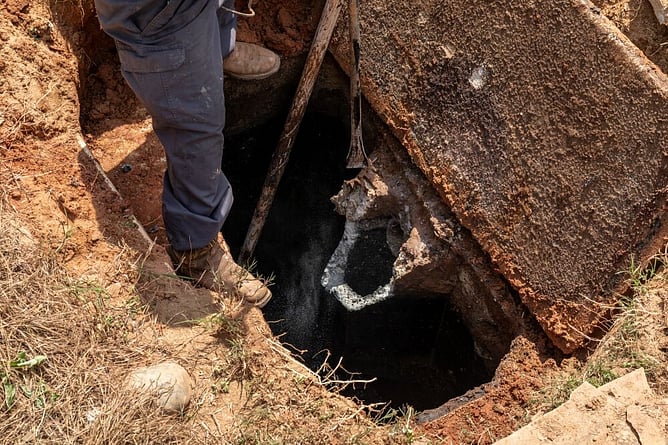
Septic tanks don't fail overnight — they wear out gradually, often over decades, until small problems start showing up as recurring ones. If you're a homeowner in Hamilton or the wider Waikato region with an older septic system, here's how to know when it's time for replacement, what the process involves, and what happens after the new system goes in.
Signs Your Septic Tank Needs Replacing
Slow or Backed-Up Drains
If sinks, toilets, or showers are draining slower than they used to — especially after heavy rain or during periods of high water use — it's often an early sign that an older concrete or steel tank is struggling to keep up with modern household water use.
Frequent System Backups
What starts as occasional sluggish drainage can escalate into full backups, particularly during high-use periods. If this is becoming a pattern rather than a one-off, it's worth getting the system properly assessed before it gets worse.
Age of the Tank
Older septic tanks — particularly concrete or steel tanks installed decades ago — were often built to standards and capacities that don't reflect how households use water today. Even a tank that "still works" may be under-sized or close to the end of its structural life.
Wastewater Surfacing or Odours
If you're noticing boggy patches, unusually green grass over the disposal field, or persistent odours around the tank or field area, this can indicate the system is no longer treating or dispersing wastewater properly.
Compliance Issues with Renovations or Subdivision
Hamilton City Council and Waikato Regional Council require on-site wastewater systems to remain compliant. If you're planning a renovation, addition, or subdivision, an outdated or non-compliant septic system can hold up consent for that work — making replacement a prerequisite rather than a "nice to have."
The Septic Tank Replacement Process
1. Inspection of the Existing System
Replacement starts with a thorough inspection of what's currently there — the tank itself, its connections, and the disposal field. This identifies not just whether the tank needs replacing, but whether the disposal field is still functional or also needs work.
2. Recommendations and System Design
Based on the inspection and a soil/site assessment, your installer recommends the right replacement system for your property — whether that's a like-for-like concrete tank upgrade or a modern aerated treatment system. Modern systems use more advanced filtration and aeration, treating wastewater to a higher standard before it's released, which reduces the risk of contamination and odour issues.
3. Council Compliance
Any septic tank replacement in Waikato must meet Hamilton City Council and Waikato Regional Council requirements, with proper documentation and inspection completed before the new system is approved for use. A good installer manages this as part of the job — including all permits and council liaison — so you're not left navigating it separately.
4. Installation
Once the design is finalised and consent is in place, the old tank is decommissioned and the new system installed. Depending on the scope — whether the disposal field also needs replacing — this is typically completed within a matter of days.
How Much Does Septic Tank Replacement Cost in Hamilton?
Costs vary depending on the type of replacement system, whether the disposal field needs work as well as the tank, site access, and soil conditions.
A like-for-like concrete tank replacement on an easy-access site sits at the lower end of the cost range, while a full system upgrade to an aerated treatment plant — particularly if the disposal field also needs reworking — costs more but delivers a higher standard of treatment and can future-proof the property for years to come.
The only way to get an accurate number is a site assessment — your installer needs to see the existing system, the access, and the ground conditions before pricing the job properly.
How Long Does Septic Tank Replacement Take?
For most residential properties in the Waikato, the practical replacement work — decommissioning the old tank, installing the new one, and reconnecting drainage — is completed within a few days once everything is approved and scheduled.
The bigger variable is the lead time before that: site assessment, system design, and council documentation. Starting this process as soon as you notice warning signs (rather than waiting for a full failure) gives you much more breathing room — and means you're not dealing with an emergency replacement under time pressure.
Maintenance After Replacement
A new septic system is a big improvement, but it still needs ongoing care to last.
Pump-outs every few years, depending on tank size and household use: this is the single most important thing you can do to extend the life of any septic system
Effluent filter cleaning: most modern tanks include an outlet filter that needs periodic checking
Inspections of the disposal field: regular checks of pumps and aeration components for aerated systems
Keeping records: councils increasingly expect homeowners to be able to show maintenance has been carried out
A newly installed system that's properly maintained should give you decades of reliable, low-hassle service — and for rural Waikato properties, a compliant, modern system can also be a real point of difference if you ever sell.
Don't Wait for a Full Failure
By the time a septic tank fails completely, you're often dealing with an urgent, more expensive job — and potentially environmental contamination on your own land. If you're seeing any of the warning signs above, getting an assessment now puts you back in control of the timeline, the cost, and the outcome.
DrainPro's Waikato team specialises in septic tank replacement for rural and lifestyle properties, starting with a thorough inspection of your existing system, clear recommendations, and a smooth, council-compliant installation — all backed by certified registered drainlayers and the Master Drainlayers 12-month guarantee.