Soakpit Design & Percolation Testing – Canterbury Wide
Fast, fixed-price stormwater solutions to get your building consent approved. 48-hour report turnaround from payment confirmation.
Need a Stormwater Solution for Your Building Consent?
If you are building in the Canterbury region, your local council likely requires a professional soakpit design or percolation test as part of your building consent application.
This usually happens when your property doesn't have a reticulated stormwater network to connect to. In simple terms, your stormwater needs to be managed on-site. To ensure your soakpit is sized correctly, we calculate critical factors including:
Soil soakage rates (via percolation testing).
Local rainfall intensity specific to the Canterbury climate.
Catchment area of your proposed roof or hardstanding.
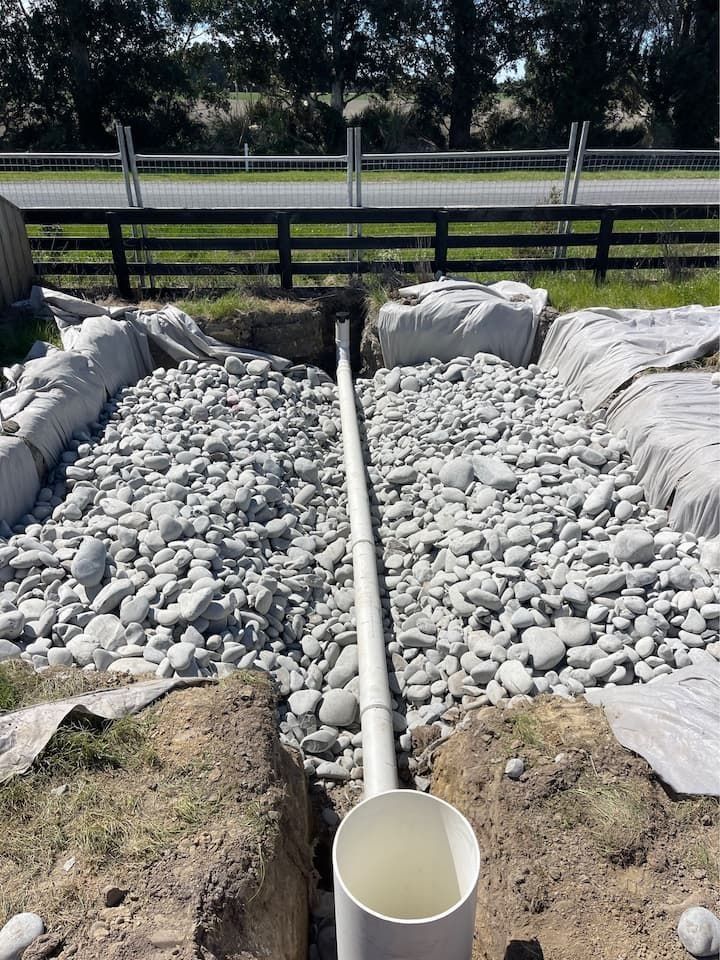
Fast, Accurate, and Local
We perform hundreds of these tests every year across the Canterbury region. Because of our extensive database of local soil conditions, we may not even need to visit your site if we have already conducted testing in your immediate proximity. This allows us to offer an industry-leading turnaround.
Fixed Price: $450 + GST. No hidden fees or surprise site-visit costs. Offer is for standalone residential buildings only.
Rapid Turnaround: Receive your report within 48 hours of payment confirmation.
Council Ready: Our reports are designed to be submitted directly to any Canterbury-based Council with "no unnecessary fluff"—just the data they need to approve your application.
What You Will Receive
You’ll receive a concise, professional report ready for submission, featuring:
Detailed Percolation Test results and soil logs.
Engineer-verified Soakpit Design specifications.
Catchment and rainfall calculations tailored to your specific site.
A clear summary for council building officials.
Frequently Asked Questions
What is the difference between a percolation test and a soakpit design?
While the terms are often used interchangeably, a percolation test measures how quickly water drains into your soil. This test is a critical part of the overall soakpit design, which determines the physical size and type of soakage system required for your home.
Which councils do you work with?
We provide reports for Christchurch City Council, Selwyn District Council, Waimakariri District Council, and all other Canterbury-based authorities.
What happens if my soil has poor soakage?
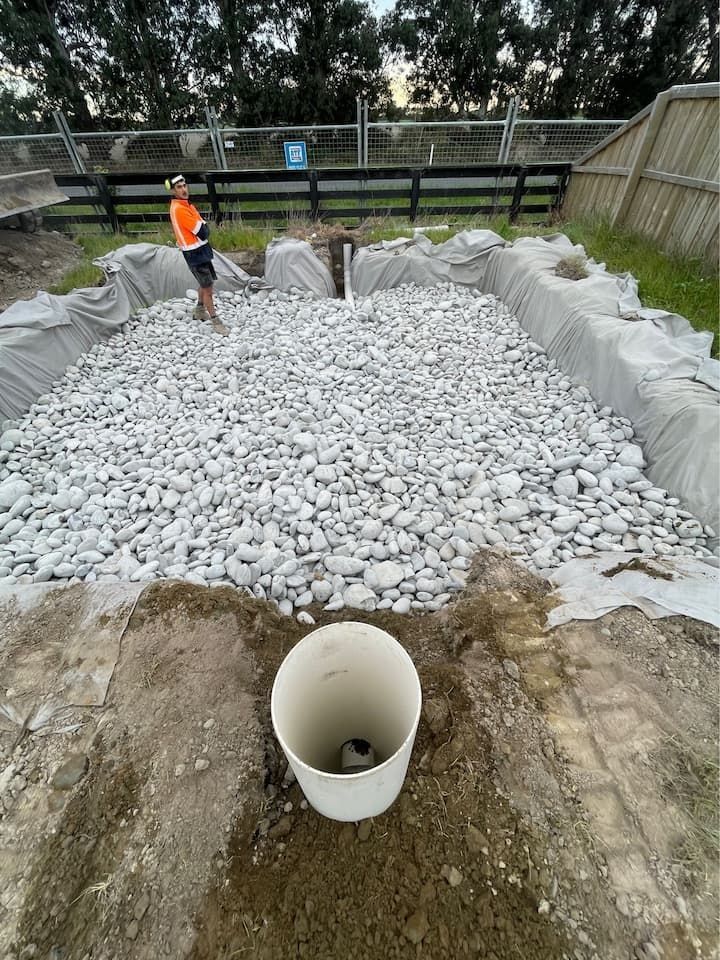
If your percolation test shows low soakage rates (common in heavy clay areas), a standard small rock pit might not be enough. In these cases, we design a detention-based system. This allows the soakpit to act as a temporary storage tank that slowly releases water into the ground over time, ensuring you still meet Council requirements without flooding your yard.
Can I just use the "standard" soakpit design from the Building Code?
While the NZ Building Code (E1/VM1) provides generic designs, most Canterbury councils now require site-specific calculations. A "one-size-fits-all" design often leads to either an over-engineered, expensive system or a pit that is too small and fails during the first big storm. Our report gives you the exact dimensions needed for your specific soil and roof area, often saving you money on construction.
Do I need a site visit if my neighbor just had a test done?
Not necessarily. We maintain an extensive database of soil profiles across the Canterbury region. If we have verified data from a property in your immediate vicinity, we can often provide a desktop-based Soakpit Design Report without a site visit. This is how we maintain our fixed $450 price and 48-hour turnaround.
Your next step
Enquire about Soakpit Design or Percolation Testing
Call: 03 342 1278
Email: office@drainpro.co.nz


location_on 19 John Morten Place, Rolleston, Christchurch 7677
phone_in_talk 03 342 1278
WE'RE SOCIAL