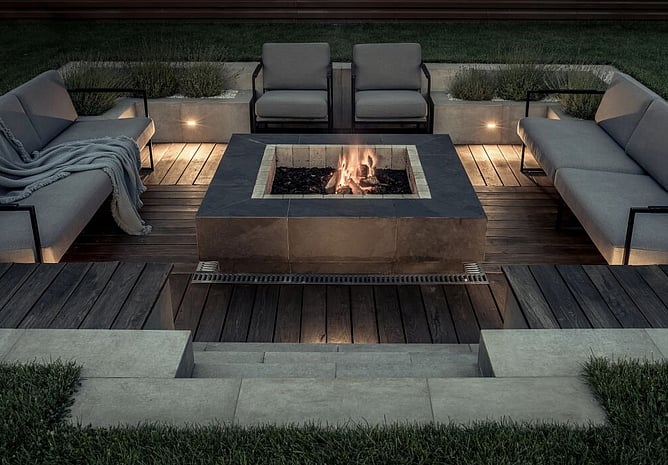
Outdoor entertaining areas can add real value to a home. They can also create avoidable problems when site planning is rushed. At DrainPro, we often see drainage considered too late.
That usually happens after the slab, paving, or deck layout is already fixed. By then, even small changes can cost more than expected. Water management should be part of the first plan, not the last one.
This applies across New Zealand. Ground conditions, rainfall, and site levels vary from region to region. A layout that works on one property may not work on another.
Start with the way water moves
Before choosing finishes, it helps to look at the whole site. Ask where rainwater already flows and where it tends to collect. Check whether water moves toward the house, away from it, or across the planned outdoor area.
Many outdoor projects add more hard surfaces. That can include paving, concrete, retaining, and covered zones. Once that happens, rainwater often moves faster and has fewer places to soak away.
That is why surface water needs a clear path. If it does not, it can pool around seating areas, doorways, and outdoor features. Over time, that can affect both usability and maintenance.
Permanent features should be chosen early
Modern entertaining areas often include more than a patio and a table. Homeowners now plan for pergolas, outdoor kitchens, built-in benches, spa areas, and fixed heating. Each of those features affects the site layout.
This is where early decisions matter. A permanent fixture can change slab size, drainage falls, access, and clearances. It can also affect where channel drains, downpipes, and services should go.
For example, some homeowners compare built-in fire features, freestanding units, and cooking models during the design stage. That is also the right time to think about drainage around those features, including outdoor fireplaces, outdoor kitchens, and paved dining zones.
Drainage should extend beyond the patio
An outdoor area does not work in isolation. Even a well-finished surface can fail if the wider site is not managed properly. Water still needs to move away from the house and away from new hard surfaces.
That may involve several parts working together. Depending on the site, the plan could include downpipes, sumps, channel drains, soak pits, stormwater lines, or other drainage solutions. The right answer depends on the property, not a standard template.
This is why outdoor work should connect with the wider drainage plan. A landscaper may shape the visible surface. A drainlayer needs to consider what happens below it.
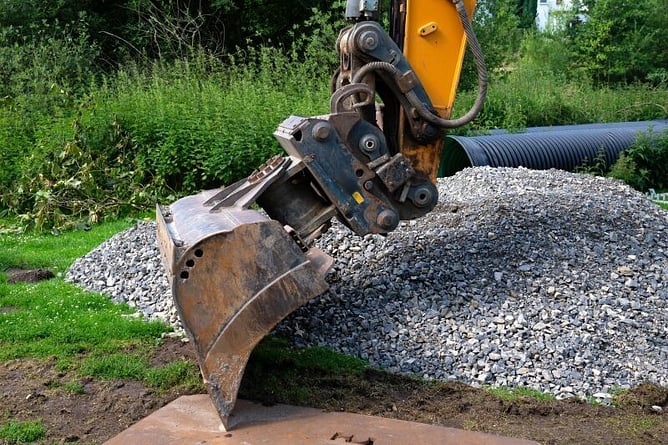
Different New Zealand sites behave differently
A small urban section behaves differently from a rural block. A sloping site behaves differently from a flat one. Clay-heavy ground behaves differently from free-draining soil.
New Zealand also has a wide weather variation. Some areas experience long, dry periods and short, heavy downpours. Others deal with regular rainfall, coastal exposure, or colder winter conditions.
These differences affect how outdoor spaces perform. They influence how quickly water clears, where it collects, and how hard surfaces should be detailed. That is why local site conditions matter more than generic design ideas.
Think about more than the entertaining space
Many homeowners focus on the visible area first. They think about paving, lighting, shelter, and heating. Those are all important, but the hidden systems matter just as much.
Roof water needs somewhere to go. Surface water needs a controlled path. Wastewater and stormwater infrastructure may also affect where outdoor features can sit.
This becomes even more important on larger properties. Homes with private systems or more complex site services need careful planning. On those sites, the outdoor area should be designed with the full property layout in mind.
Good timing saves money
The best drainage work usually happens before surfaces are finished. Once concrete is poured or pavers are laid, changes become harder. Even a minor adjustment can turn into extra labour and rework.
A better process is to set the layout early. Confirm levels, select the permanent features, and map the drainage before the final surface is installed. That gives each trade room to work from the same plan.
It also reduces clashes between fixtures and services. A drain should not end up where a footing, hearth, or step is needed. Those problems are easier to avoid than fix.
Questions worth asking before work begins
Where will rainwater go during a heavy downpour? Will any new paving push water toward the house? Has enough allowance been made around permanent fixtures?
It also helps to ask what happens outside the main patio area. Will runoff from nearby paths, lawns, or roofs cross the space? Is there enough drainage capacity for the extra hard surface being added?
These questions may not be exciting, but they shape the result. A space that looks good on a dry day should still perform well after rain. That is the standard worth planning for.
Final thoughts
A good outdoor entertaining area should be easy to use and easy to maintain. That starts with planning, not just products and finishes. Site levels, drainage, and fixed features all need to work together.
For homeowners across New Zealand, the smartest approach is to treat the outdoor area as part of the full site. When drainage is considered early, the space is easier to build, easier to live with, and far less likely to create problems later.
Talk to us at Drainpro for your drainage needs, we have branches in: