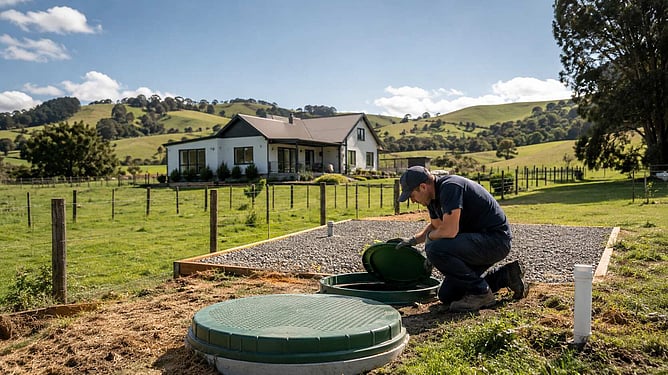
Buying or building on a lifestyle block is exciting. You get more space, more privacy, and more freedom to shape the property around the way you want to live.
But rural and semi-rural living also comes with a few responsibilities that are easy to overlook when you are used to town services. One of the most important is wastewater.
On many New Zealand lifestyle blocks, the property is not connected to a mains wastewater network. That means wastewater from the house needs to be collected, treated, and safely dispersed on-site.
This is where septic tanks and other on-site wastewater systems come in. MBIE notes that on-site sewage systems are generally found in rural or semi-rural areas where mains sewage is not available, and septic tanks are one of the most common types of on-site wastewater treatment used in New Zealand.
For anyone new to lifestyle block ownership, septic tanks can feel like one more technical thing to understand. The good news is that the basics are straightforward once you know what the system is designed to do, why the land matters, and when to get the right advice.
In this guide, we break down what beginners should know about septic tanks for lifestyle blocks in New Zealand, from how they work to what to check before buying, building, or upgrading.
Why Septic Tanks Matter on Lifestyle Blocks
A septic system does a simple but essential job. It manages the wastewater that leaves the home and treats it in a way that protects people, the property, and the surrounding environment.
On a lifestyle block, this matters because there may be no council wastewater connection available. The property has to handle its own wastewater safely.
That includes water from toilets, showers, baths, basins, kitchen sinks, dishwashers, washing machines, and laundries. Every day, that wastewater needs somewhere to go.
A well-designed system makes this happen quietly in the background. A poorly planned, overloaded, or failing septic system can quickly become a major problem.
When we look at septic tanks for lifestyle blocks, we are not just thinking about the tank itself. We are also thinking about the whole property.
The system can affect where you build, where you plant, where vehicles drive, where stock can move, where future sheds or cabins might go, and how the land can be used over time.
That is why early planning matters. It is much easier to make good decisions before the system is installed than to work around a poor layout later.
How a Septic Tank System Works
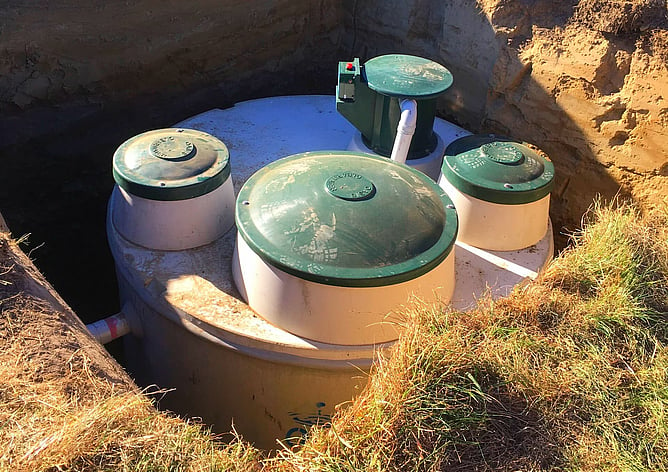
A traditional septic tank system works by taking wastewater from the house and moving it into a buried tank.
Inside the tank, heavier solids settle to the bottom as sludge, lighter materials such as fats and oils rise to the top, and the liquid layer moves through the system for further treatment and dispersal.
From there, treated effluent is usually directed to a land application area, sometimes called a disposal field or soakage area. This is where the soil plays an important role.
The land helps absorb and further treat the wastewater before it returns safely to the environment. BRANZ Level explains that on-site wastewater treatment usually involves an initial treatment stage, followed by land-based dispersal, where further breakdown occurs.
This is why the tank is only part of the picture. A septic system depends on the relationship between the house, the treatment unit, the soil, the slope, groundwater levels, available land area, and the way the property is used.
A system that works well on one block may not be suitable for another block down the road.
What Makes Lifestyle Block Septic Systems Different?
Lifestyle blocks often look like they should be easy to service because they have more land than a suburban section. In reality, more land does not automatically mean a simpler septic installation.
When it comes to soil types, some blocks have heavy clay soil that does not drain easily. Others have sandy or free-draining ground that needs careful design to protect groundwater.
Some are steep, exposed, wet, heavily planted, or difficult to access with machinery. Others already have established driveways, sheds, shelterbelts, stock areas, orchards, pools, or landscaped outdoor areas that limit where a system can go.
Household use also matters. A small household with modest water use places a very different load on a septic system than a large family, a home with regular visitors, a minor dwelling, a home business, or a property with extra accommodation.
Bedrooms, bathrooms, laundries, kitchens, and peak usage all need to be considered when sizing and designing a lifestyle block wastewater system.
Good planning starts with the property itself. Before choosing a tank or treatment plant, we need to understand the site, the expected wastewater volume, the available land application area, and the local consent requirements.
BRANZ Level notes that the appropriate wastewater treatment system depends on the site, required capacity, and compliance requirements.
Why New Zealand Lifestyle Blocks Need Site-Specific Planning
New Zealand has a wide range of rural and semi-rural property types. A lifestyle block in Northland may have different wastewater challenges from a block in Waikato, Canterbury, Central Otago, Auckland, Wellington, Christchurch, Nelson, or the Bay of Plenty.
Even neighbouring properties can behave differently depending on soil, drainage, contour, water tables, and previous land use.
Wet sites, high rainfall areas, coastal properties, and blocks with high groundwater need particular care. If the land becomes saturated, wastewater may not disperse properly.
On sloping sites, effluent movement, erosion, and setback distances all need to be considered. On clay-based land, soakage may be slow. On very free-draining land, treatment and environmental protection become especially important.
Local rules also matter. Different councils may have different requirements for on-site wastewater systems, and some projects may involve both building and resource consent considerations.
MBIE states that on-site wastewater disposal often requires resource consent from the regional council, and BRANZ Level states that installing an on-site wastewater treatment system requires building consent and must be carried out or supervised by a certified drainlayer.
For lifestyle block owners, the key point is simple. Septic systems should not be treated as one-size-fits-all products. They need to be designed around the land, the home, the household, and the local rules.
Septic Tank, Aerated System, or Advanced Treatment Plant?
Beginners often use the phrase “septic tank” to describe any rural wastewater system, but there are different options available. The right choice depends on the property and what the system needs to achieve.
A traditional septic tank may suit some rural properties, especially where there is enough suitable land for dispersal, and the site conditions are straightforward.
These systems rely on settling and natural treatment processes, followed by land application.
Aerated wastewater treatment systems, sometimes called aerobic or secondary treatment systems, treat wastewater more actively. They use oxygen to support the treatment process and can produce a higher level of treated effluent than a basic primary septic tank system.
MBIE identifies aerobic or secondary treatment systems as one of the available alternatives to standard septic tanks for on-site wastewater treatment.
Advanced treatment plants may be suitable where the site is more constrained, the environmental requirements are higher, or the property needs a more robust treatment solution.
These systems still need correct design, installation, maintenance, and servicing. A more advanced system is not a shortcut around good planning. It still has to suit the site.
The best option is the one that works for the property long term. That means looking beyond the upfront cost and considering maintenance, access, servicing, soil conditions, household use, consent requirements, and how the lifestyle block may change in the future.
What to Check Before Buying a Lifestyle Block With a Septic Tank
If you are buying a lifestyle block that already has a septic system, it is worth finding out as much as you can before settlement. A septic system may be out of sight, but it should not be out of mind.
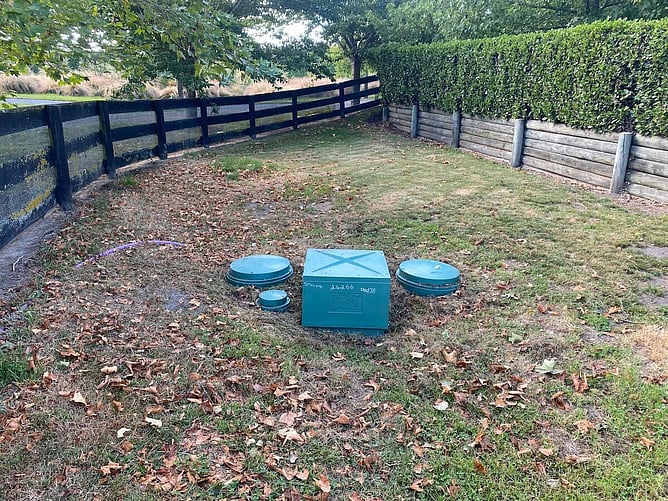
Start by asking what type of system is installed, how old it is, where the tank is located, where the land application area sits, and whether there are service records.
If there has been a recent upgrade or repair, ask for documentation. If the property has been extended, had extra bedrooms added, or changed from occasional use to full-time family use, check whether the wastewater system was upgraded to match.
Warning signs can include bad smells, slow drains, gurgling pipework, wastewater surfacing, damp or soggy patches near the disposal field, unusually lush grass over the dispersal area, or a system that needs frequent pump-outs.
Any of these signs should be looked at properly before you commit to major plans for the property.
It is also important to think about what you want to do with the block after purchase. You may want to add a shed with plumbing, create visitor accommodation, build a minor dwelling, install a pool, change driveways, plant a shelter, or fence off paddocks differently.
All of these plans can be affected by the location and capacity of the existing septic system.
What to Plan Before Installing a New Septic System
If you are building a new home on a lifestyle block, replacing an old system, or upgrading for a renovation, the septic system should be considered early in the planning process.
The first step is understanding the site. That includes access, slope, soil, drainage, groundwater, existing services, proposed building locations, setbacks, and available land application areas.
A system also needs to be sized for the home and expected occupancy. Bedrooms, bathrooms, water use, and future plans all matter.
Next comes design and compliance. The system must meet the relevant requirements for the property and local area.
This can include building consent, resource consent, producer statements, inspections, and as-built records, depending on the project and council. MBIE’s Building Code guidance for G13 Foul Water confirms that foul water systems must safely dispose of wastewater to prevent illness, odour, and loss of amenity.
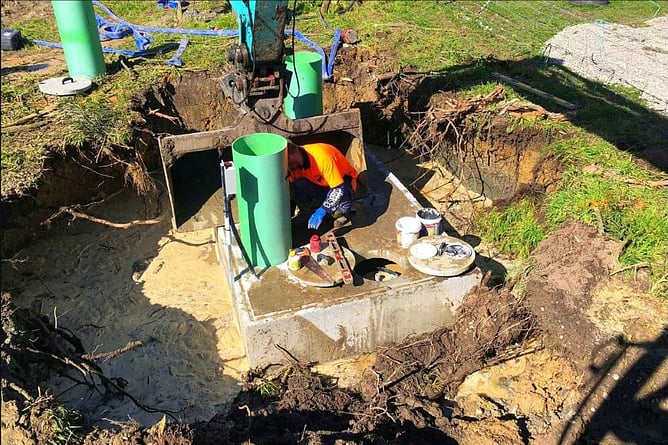
Once the design is approved, installation needs to be handled carefully. Tank placement, trenching, pipe gradients, land application layout, access lids, vents, electrical components, alarms, and reinstatement all contribute to the final result.
A tidy install is not just about appearance. It helps protect the system, preserve the property, and make future servicing easier.
Maintenance Basics Every Lifestyle Block Owner Should Know
A septic system is not something to install and forget forever. Like any important part of a property, it needs sensible care.
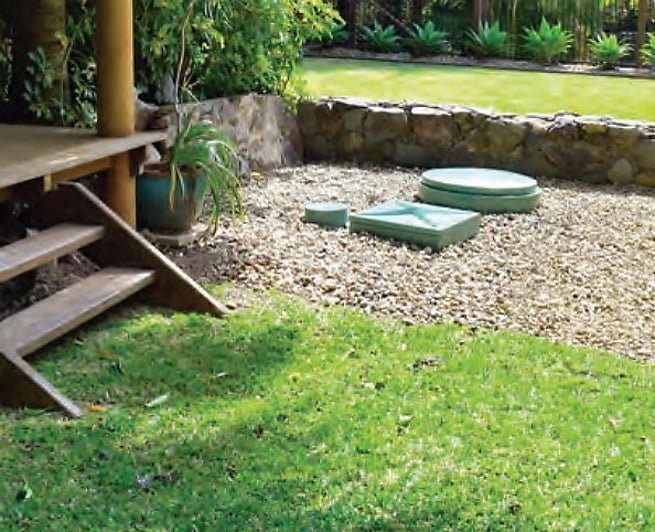
Lifestyle block owners should know where the tank, access lids, treatment unit, pumps, alarms, pipework, and land application area are located.
Keep this information somewhere accessible, especially if you later sell the property, renovate, landscape, or bring in contractors.
Be careful what goes down the drain. Wipes, sanitary products, fats, oils, harsh chemicals, paint, solvents, and large amounts of cleaning products can all create problems.
Water use also matters. Sudden heavy loading, such as multiple loads of washing in a short period, can place extra pressure on the system.
The land application area should be protected. Avoid driving heavy vehicles over it, building over it, compacting it, planting large-rooted trees too close to it, or letting stock damage it.
What happens above ground can affect how well the system performs below ground.
Maintenance requirements vary by system and council area, but regular checks are important. Environment Canterbury advises that most systems require regular inspection and maintenance at least every 12 months, and that primary treatment systems such as septic tanks generally need sludge and scum pumped out around once every three years.
Common Mistakes New Lifestyle Block Owners Make
One common mistake is assuming that an existing septic system must be fine because the house is currently occupied. A system may have coped with a previous owner’s usage but struggle with a larger household, extra bathrooms, more visitors, or a new dwelling.
Another mistake is planning the house, driveway, shed, fencing, and landscaping before thinking about wastewater. Septic systems need space, access, and suitable ground.
Leaving wastewater until late in the project can limit options or create unnecessary rework.
Some owners also choose the cheapest system without looking closely at the site. This can be risky. A low upfront cost may not deliver the best long-term outcome if the land has difficult drainage, high groundwater, strict council requirements, or limited room for dispersal.
The best approach is to start with the site and work from there. When the system is designed around the actual property, it is much easier to get a result that is practical, compliant, and reliable.
When Should You Call a Drainlayer?
It is worth getting professional advice before you buy, build, renovate, or make major changes to a lifestyle block with a septic system.
Before buying, a drainlayer can help you understand what is already on the property and whether there are obvious concerns. Before building, they can help you plan the system around the house site and council requirements.
Before renovating, they can advise whether the existing system is likely to cope with increased use. If you are seeing warning signs such as smells, slow drains, wet ground, or repeated blockages, it is better to investigate early than wait for a full failure.
A certified drainlayer also plays an important role in compliant installation. MBIE’s on-site disposal guidance states that installation of on-site disposal systems must be undertaken or supervised by a certified drainlayer.
For beginners, this is one of the most important things to remember. Septic systems are not just plumbing fixtures. They are wastewater treatment systems that affect the health, safety, usability, and value of the property.
A Simple First Step for Lifestyle Block Owners
If you are new to lifestyle block living, start by understanding the land. Where does water naturally move? Where is the house or proposed house site?
Where are the driveways, sheds, paddocks, gardens, and future building areas? Where could a treatment system and land application area sensibly go?
From there, the right system can be planned around real conditions rather than assumptions. That gives you a clearer path through design, consent, installation, and long-term maintenance.
Septic tanks for lifestyle blocks do not need to be confusing. With the right advice early, you can avoid common mistakes, protect your property, and make sure your wastewater system is set up properly from the start.
Rural living comes with extra responsibilities, but a well-planned septic system can make one of the most important parts of lifestyle block ownership feel simple, manageable, and under control.
Septic Tanks and Lifestyle Blocks FAQs
Do all lifestyle blocks need a septic tank?
Not all lifestyle blocks need a septic tank, but many do need some form of on-site wastewater system if they are not connected to a mains wastewater network. The right system depends on the property, local requirements, and how the home will be used.
Can I install any septic tank on my lifestyle block?
No. The system needs to suit the site, soil, groundwater, slope, household size, available land area, and local consent requirements. A system that works well on one property may not be suitable for another.
How do I know if my septic system is failing?
Common signs include bad smells, slow drains, gurgling pipes, soggy ground, wastewater surfacing, unusually green patches over the disposal area, or frequent pump-outs. These signs should be checked before the issue gets worse.
Are aerated wastewater treatment systems better than traditional septic tanks?
They can be a better option for some properties, especially where site conditions, treatment requirements, or land application constraints call for a higher level of treatment. The best choice depends on the property and how the system needs to perform.
Who should install a septic tank on a lifestyle block?
A septic system should be installed by, or under the supervision of, a certified drainlayer. It should also be designed and approved in line with the relevant building, council, and environmental requirements for the property.
Looking for help with a septic tank installation?
Talk to DrainPro now. We have teams throughout New Zealand including, Auckland, Hamilton and Waikato, Tauranga and Bay of Plenty, Christchurch and Canterbury, Queenstown and Central Otago.
Email: office@drainpro.co.nz
Phone: 03 342 1278