
Reaching the final stages of a new build is exciting. After months of plans, trades, inspections and decisions, the house finally starts to look less like a construction site and more like somewhere you can live.
But practical completion does not necessarily mean the home is ready for the moving truck.
The last stage of a new build is about checking that essential systems such as drainage work as intended, completing outstanding site work, dealing with construction dust and dirt, and making sure nothing important has been overlooked before handover.
For homeowners and builders, a structured final check can make move-in smoother and reduce the chance of discovering an unfinished job once furniture is already in place.
What Should Be Completed Before Moving Into a New Build?
Before move-in day, the main building work should be complete and the essential services should be functioning correctly.
That includes obvious items such as power, plumbing, heating and appliances, but the exterior of the property matters just as much.
Stormwater and wastewater systems need to be completed, downpipes connected correctly, accessways usable and final ground levels established. Where a property uses an onsite wastewater system, that system also needs to be installed and ready to operate as designed.
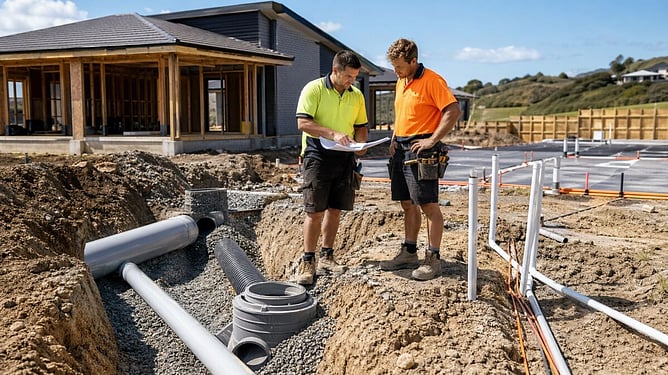
Drainage is particularly important because much of it disappears from view once landscaping, paving and other finishing work is complete. Planning new build drainage properly from the beginning helps avoid situations where finished surfaces later need to be disturbed to correct an underground issue.
Ideally, all major trades should have finished their work before final cleaning and move-in preparation begins.
Talk to our team about your drainage needs, we have teams in the follwing regions:
Christchurch | Central Otago | Hamilton & Waikato | Auckland North/West | Tauranga & Bay of Plenty
Contact our team at head office
Email: office@drainpro.co.nz
phone: 03 342 1278
What Should You Check Outside a New Build Before Handover?
The excitement of seeing a finished kitchen or bathroom can make it easy to overlook the section itself.
Walk around the entire house before handover and look at how the finished property deals with water. Ground should generally direct water away from the building rather than towards foundations, entrances or low points beside the house.
Check that:
downpipes are connected
stormwater outlets are complete
drains and grates are clear of building debris
finished ground levels look consistent with the plans
there is no obvious ponding around the house
driveways and paths do not appear to direct runoff towards the building
drainage components have not been covered or damaged during landscaping
Christchurch and Canterbury building sites can vary considerably, from established suburban sections to rapidly developing areas around Rolleston and other parts of Selwyn. Soil conditions, site levels and available stormwater infrastructure can all influence the drainage solution required.
It is much easier to raise a concern while contractors are still completing the property than after fencing, planting, paving and other finished features are in place.
What Should You Check Inside Before Moving Into a New Build?
A proper walkthrough should be slower than simply looking around each room.
Test doors, windows, taps, switches, power points and fitted appliances. Look closely at walls, ceilings, cabinetry and flooring for obvious defects or unfinished work.
It can help to inspect the house room by room rather than trying to remember everything at once.
Pay attention to areas that have been used heavily by trades during construction. Entryways, hallways and living spaces often see substantial foot traffic even when protective coverings have been used.
Also check wet areas carefully. Run taps, flush toilets and look beneath sinks for any obvious signs of leaks. Small problems are easier to resolve before cupboards are filled and the household is fully moved in.
Any defects or incomplete items should be documented clearly so there is a record of what still needs attention.
Does a New Build Need Cleaning Before You Move In?
Usually, yes. A newly built house may be new, but that does not mean every surface is automatically move-in clean.
Construction creates fine dust that can settle on window tracks, skirting boards, shelves, cabinetry and other surfaces. There may also be adhesive residue, marks on hard floors or dirt brought inside during the final weeks of the project.
Start high and work down. Dust ledges, shelves and cabinetry before cleaning lower surfaces and floors so you are not repeatedly cleaning the same area.
Window tracks and sliding door channels deserve particular attention because construction dust can accumulate in places that are easy to miss during a quick final clean.
Flooring should be treated according to the material. Hard surfaces may need a detailed clean to remove fine building dust, while carpeted areas should be vacuumed carefully after the last trades have left. If carpet has picked up construction traffic, marks or embedded dirt, then professional carpet cleaning should be included in the final clean before furniture is moved into place.
The timing matters. There is little value deep-cleaning floors while contractors are still regularly walking through the house.
What Documents Should You Have Before Moving Into a New Home?
A completed house comes with more than keys.
Depending on the project, handover documentation may include product warranties, appliance manuals, maintenance information, certificates, consent-related records and details for installed systems.
Keep these documents together from the start. You may need to refer to them when servicing equipment, making a warranty claim, planning future landscaping or carrying out alterations later.
It is also worth understanding which parts of the property require ongoing maintenance. Drainage and wastewater infrastructure, for example, may need different levels of attention depending on the system installed.
Knowing what has been installed and where it sits can save considerable guesswork several years down the track.
Not sure? Talk to our team:
Email: office@drainpro.co.nz
phone: 03 342 1278
When Should Landscaping Be Finished?
Not every garden needs to be complete before moving in, but the parts of the landscape that affect drainage and access should be properly coordinated with the build.
Final soil levels, retaining walls, paths, driveways, patios and other hard surfaces can change how water moves around a property. That is why drainage and landscape design need to work together rather than being treated as completely separate stages.
If major landscaping is being left until after move-in, make sure future work will not compromise existing drains, inspection points, wastewater infrastructure or planned water flow.
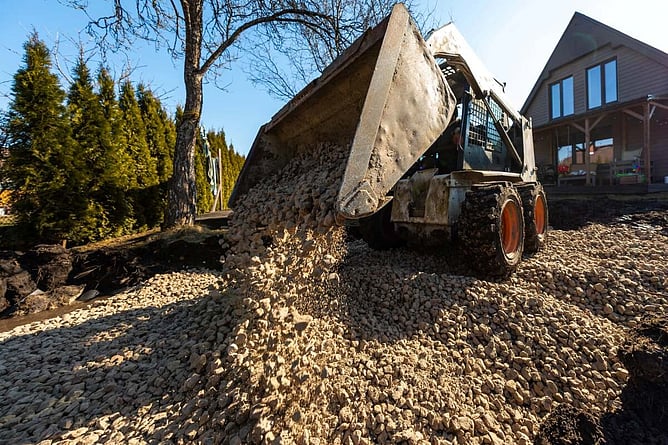
Heavy landscaping machinery can also damage finished surfaces and underground services if access has not been considered.
What Should You Do in the Final Few Days Before Moving In?
Once the construction work is complete, the final few days can be used to turn the building into a functional home.
Confirm that electricity, internet and any other required services are connected. Check that heating and hot water operate correctly, organise the final clean and make sure access is clear for movers.
A simple final checklist might include:
completing the handover inspection
recording any defects or unfinished items
confirming utilities are operating
testing essential fixtures and appliances
checking exterior drainage after rain if possible
completing the final interior clean
collecting warranties, manuals and other documents
confirming keys, remotes and access codes
making sure contractors have removed remaining materials and waste
Doing these jobs before the moving truck arrives means you can deal with the empty house while every surface and fitting is still easy to inspect.
What Problems Should Be Fixed Before Furniture Arrives?
Anything that becomes substantially harder to access once the house is occupied should be prioritised.
Flooring issues are an obvious example. So are paint repairs behind areas where large furniture will sit, damaged power points, leaking fixtures or problems with fitted cabinetry.
Outside, drainage or ground-level concerns should also be raised early. Once gardens mature, sheds are installed and outdoor spaces are completed, investigation and repair can become more disruptive.
The goal is not to make the property absolutely perfect before anyone crosses the threshold. Minor adjustments are normal with a new home.
The goal is to identify problems that could affect how the property functions or create unnecessary disruption later.
Is Your New Build Really Ready for Move-In?
A successful handover is about more than receiving the keys.
The best finished homes have had their essential systems tested, exterior works checked, defects recorded and construction residue cleared away before the owners settle in.
Taking a little extra time at this stage can prevent small unfinished details from becoming frustrating problems once the house is full of furniture and everyday life has begun.
Drainage is one part of the build that is particularly worth getting right before the finishing stages close everything in. If you're planning a new home and need reliable drainlaying, stormwater or wastewater solutions, contact DrainPro to discuss your project with our team.