As households grow, daily water use changes quickly. A home that once had two people using one bathroom may eventually have teenagers taking longer showers, more laundry loads, extra guests, a second bathroom, or even a sleepout or minor dwelling added to the property.
Those changes can place extra pressure on an older septic tank or wastewater treatment system, especially if the system was originally designed for a smaller household.
For Tauranga homeowners, septic planning is not just about choosing a tank and burying it. The right system needs to suit the number of people using the home, the property's layout, soil conditions, the land application area, council requirements, and the household is likely future growth.
A septic system that is too small, poorly positioned, or not suitable for the site can create ongoing maintenance issues, unpleasant smells, soggy ground, drainage problems, and costly remedial work.
That is why a septic tank installation in Tauranga should be approached as a long-term property decision, not a quick fix. Whether you are building a new home, renovating, replacing an old system, or upgrading before your household gets busier, good planning now can make the system easier to manage for years to come.
Why Growing Households Put More Pressure on Septic Systems
Every septic tank or wastewater treatment system is designed around expected wastewater flow. The more people living in the home, the more wastewater the system needs to receive, treat, and disperse. This includes water from toilets, showers, baths, basins, kitchens, laundries, washing machines, and dishwashers.
A growing family can significantly change those flows. Young children may not use much water at first, but that can change as they get older. Teenagers often mean longer showers, more washing, more bathroom use, and more frequent peak demand during mornings and evenings.
If extended family moves in, or if the home regularly hosts visitors, the system can be placed under even more strain.
Renovations can also affect wastewater demand. Adding an ensuite, building a larger laundry, converting a garage, installing a sleepout, or planning a minor dwelling can all change how much wastewater the property produces.
Before those plans are finalised, it is worth checking whether the existing septic system is still suitable. In some cases, the tank may be undersized. In others, the land application area may be the limiting factor, because treated wastewater still needs somewhere appropriate to go.
Signs Your Septic Tank May Be Under Strain
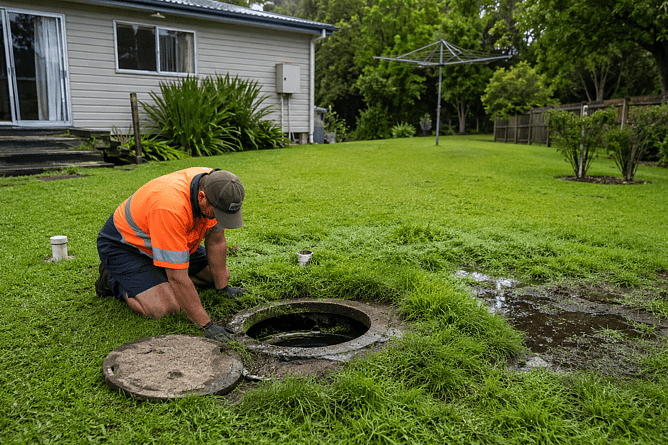
One of the most common mistakes homeowners make is waiting until a septic system fails completely before asking for advice. In many cases, there are warning signs well before that point.
Slow drains, gurgling pipework, recurring blockages, unpleasant odours, wet patches near the disposal area, or grass that looks unusually lush around the land application area can all suggest that something needs attention.
These symptoms do not always mean the whole system needs to be replaced. Sometimes the issue is a blockage, damaged pipework, poor maintenance, or a disposal field that is struggling after heavy use or wet weather.
However, repeated issues are worth investigating. A septic tank that needs to be pumped out more often than expected may also be a sign that the system is no longer coping with the household’s wastewater load.
For growing households, another warning sign is when the septic system no longer matches the property. If the home has had extra bedrooms, bathrooms, fixtures, or living spaces added since the original tank was installed, the system may now be working harder than it was ever designed to.
That is when a professional assessment can help determine whether maintenance, repair, septic tank replacement, or a full septic tank upgrade is the best next step.
Why Tauranga Site Conditions Matter
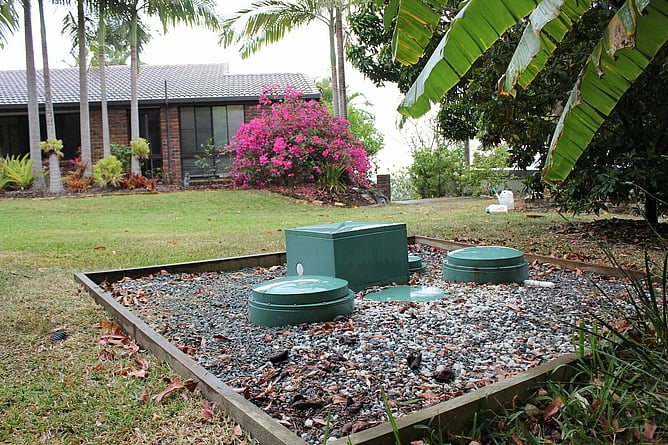
Septic system installation is always site-specific. A system that works well on one property may not be right for another, even if the houses are similar in size. The design needs to account for the land, the soil, slope, drainage patterns, groundwater considerations, access, planting, buildings, driveways, and available space for wastewater dispersal.
DrainPro designs, engineers, and installs septic tanks and aerated wastewater treatment systems across Tauranga and the wider Bay of Plenty, including Mount Maunganui, Papamoa, Te Puke, Katikati, Rotorua, Whakatāne, and surrounding locations.
The tank is only one part of the system. Treated wastewater must also be dispersed safely through an appropriate land application area. The right on-site wastewater treatment system depends on the site, required capacity, and compliance requirements.
That is why proper design matters so much. A larger tank alone will not solve every issue if the disposal field, soil, or site layout cannot support the household’s wastewater demand.
Choosing the Right System for the Household
When homeowners search for 'Septic Tank Installation Tauranga,' they are often looking for a straightforward answer on which system to install in their region. In reality, the best option depends on how the home is used and what the land can support.
For some properties, a conventional septic tank may be suitable, especially where there is enough land, appropriate soil conditions, and a well-designed disposal area. For others, an aerated wastewater treatment system may be a better fit.
These systems provide a higher level of treatment and can be useful where site conditions, household size, or compliance requirements call for a more advanced wastewater solution.
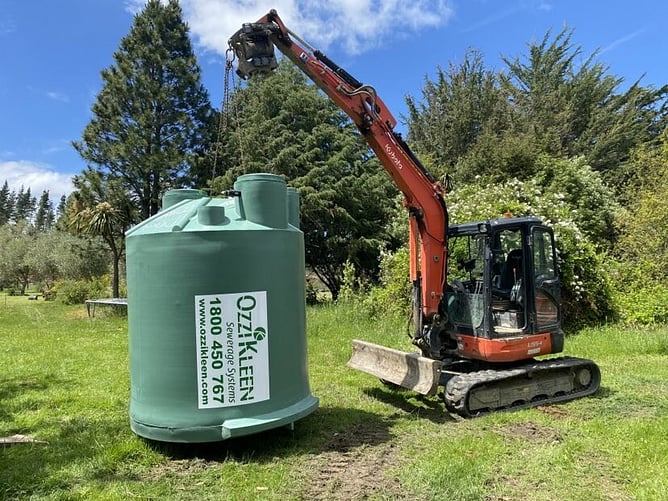
At DrainPro, we specialise in septic tanks and aerated wastewater treatment systems, including Ozzi Kleen systems, for rural and commercial properties.
Our Tauranga service page also highlights our work across design, engineering, installation, quoting, compliance documentation, and council sign-off, which is important because septic work needs to be handled properly from the beginning.
For growing households, the goal is not just to install a system that suits today’s use. It is to think about what the property may need in five, ten, or fifteen years. A young family may eventually need more bathroom capacity.
A lifestyle block may later include a shed with plumbing, extra accommodation, or a larger home. A rural property may need better access for servicing. Planning for those possibilities early can help avoid expensive changes later.
What to Check Before Installing or Upgrading a Septic Tank
Before any septic tank installation or upgrade begins, it is important to understand the household and the site. We look at how many bedrooms and bathrooms the home has, how many people live there regularly, whether the property has frequent guests, and whether there are future plans for renovations, extensions, sleepouts, or minor dwellings.
We also consider the existing wastewater layout, if one exists. Many older properties have septic systems that are poorly documented, especially if the system was installed years ago. Locating the current tank, pipework, and disposal area can help us understand whether the system can be repaired, improved, replaced, or upgraded.
Property changes matter too. Landscaping, driveways, retaining walls, sheds, pools, patios, and tree planting can all affect where a system can be installed or serviced. Tree roots, restricted access, and building over old wastewater infrastructure can create problems later. That is why it is better to assess the full property, not just the area where the tank might go.
Consent requirements also need to be considered. Building Performance guidance states that installing an on-site sewage system requires a building consent, and homeowners may also need resource consent or need to meet regional council requirements for effluent discharge.
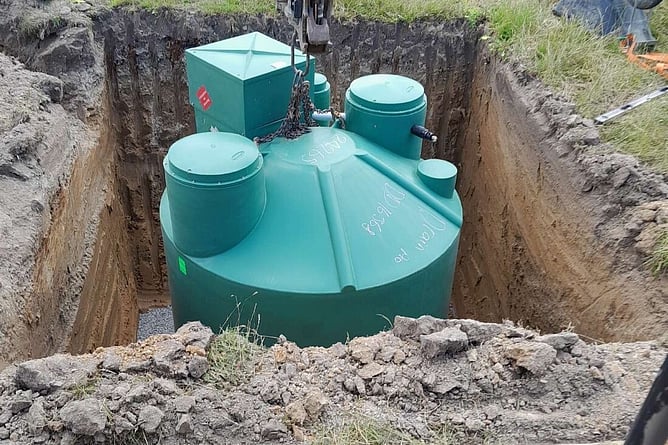
New Zealand regulations for the installation of an on-site wastewater treatment system must be carried out or supervised by a certified drainlayer.
How We Approach Septic System Installation for Growing Tauranga Homes
We start with the site, because every good septic system begins with understanding the land. Tank size matters, but it is only one part of the picture.
We also look at how wastewater will move through the system, where it will be treated, how it will be dispersed, and how easily the system can be accessed for servicing in the future.
For growing households, we pay close attention to future use. A system designed only around the current number of occupants may not be enough if the property is likely to change.
We discuss planned renovations, extra bathrooms, guest use, teenagers, home offices, and any possibility of additional accommodation. This helps us recommend a system that fits the property long-term.
We also help homeowners understand the process. Septic work can involve design, system selection, installation planning, documentation, and council requirements.
DrainPro’s Tauranga team provides septic tank and wastewater system services across the Bay of Plenty, with a focus on compliant, efficient systems delivered by experienced drainlayers.
Clear communication is a major part of the job. Homeowners want to know what is happening, where the system will go, how the site will be affected, and what needs to happen before, during, and after installation.
We keep the process practical and transparent so there are fewer surprises along the way.
Common Mistakes to Avoid With Septic Tank Installation
One common mistake is choosing a system based only on price. The cheapest option is not always the most cost-effective if it does not suit the property, soil, household size, or long-term plans.
A poorly matched system can create ongoing maintenance problems and may need expensive changes later.
Another mistake is focusing only on the tank. The disposal area, pipework, access, pumps, alarms, treatment quality, and maintenance requirements all matter. If the land application area is not suitable, a larger tank alone will not fix the problem.
Homeowners can also run into trouble when they renovate first and check wastewater capacity later. Adding bathrooms, bedrooms, sleepouts, or extra plumbing fixtures can increase wastewater demand.
It is much easier to plan the septic system before building work begins than to redesign everything after the fact.
Finally, many people forget about servicing access. Lids, pumps, treatment units, and disposal areas need to remain accessible. A system that is buried under landscaping, blocked by structures, or difficult for service vehicles to reach can become frustrating and expensive to maintain.
When Should You Talk to a Drainlayer?
The best time to talk to a drainlayer in Tauranga or the Bay of Plenty is before there is a major problem. If you are planning a renovation, adding bedrooms, building a minor dwelling, buying a rural or semi-rural property, or noticing repeated wastewater issues, early advice can save time and money.
You should also seek advice if your household has grown and the system is showing signs of strain. Slow drains, smells, gurgling pipes, wet ground, frequent pump-outs, or wastewater surfacing should not be ignored. The earlier the system is assessed, the more options you are likely to have.
For anyone comparing septic tank installation, septic tank replacement, or wastewater treatment systems in Tauranga or the Bay of Plenty region, it is worth choosing a team that understands both the technical and local requirements.
The right drainlayer can help assess the site, recommend a suitable system, manage the installation process, and make sure the work is completed to the required standard.
FAQs About Septic Tank Installation in Tauranga
How do I know if my septic tank is big enough for my household?
The size and suitability of your septic system depend on the number of people in the home, the number of bedrooms and bathrooms, daily water use, site conditions, and the disposal area. If your household has grown or your home has been renovated, it is worth having the system assessed.
Do I need a new septic tank if I add another bathroom?
Not always, but you should check before starting the renovation. An extra bathroom can increase wastewater flow, especially during peak use times. A drainlayer can assess whether your existing system can cope or whether a septic tank upgrade is needed.
What are the signs that my septic system is overloaded?
Common warning signs include slow drains, gurgling pipes, unpleasant smells, frequent blockages, soggy ground, wastewater surfacing, and pump-outs becoming more frequent. These signs should be investigated before the issue becomes more serious.
Is an aerated wastewater treatment system better for a growing household?
It can be a good option for some properties, especially where a higher level of treatment is needed or where the site has specific design requirements. The best choice depends on household size, land conditions, compliance requirements, and long-term plans.
Who can install a septic system in Tauranga?
On-site wastewater systems need to be installed properly and in line with consent and compliance requirements. Regulations require that installation must be carried out or supervised by a certified drainlayer.
A Better Septic System Starts With Better Planning
A growing household does not automatically mean your septic system will fail, but it does mean your wastewater needs may have changed. More people, more bathrooms, more laundry, more guests, and future renovations can all affect whether your current system is still suitable.
Good septic planning looks at the whole property. It considers the household, the land, the treatment system, the disposal area, servicing access, compliance requirements, and future growth.
That is what makes a septic tank installation in Tauranga more than a simple installation job. It is about choosing a wastewater solution that supports the way your household lives now and how it may change in the years ahead.
If you are building, renovating, upgrading, or replacing an older septic system in Tauranga or the wider Bay of Plenty, we can help you plan the right septic or wastewater treatment system for your property. Talk to us now at Drainpro Tauranga.
Phone: 02102204924
Email: jordan@drainpro.co.nz