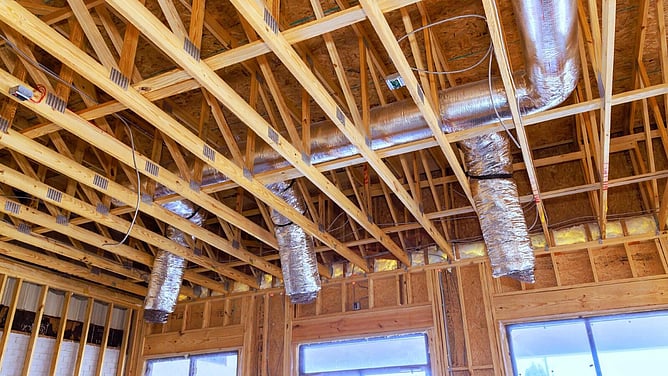
Building a new home involves a lot more coordination than simply getting each trade on site at the right time.
Drainage, electrical services, driveways, landscaping, retaining, gates and other infrastructure can all compete for the same space around a property. If these services are planned separately, clashes may not become obvious until trenches have already been dug, concrete has been poured or another contractor is ready to start work.
For builders and homeowners, coordinating site services early can help reduce unnecessary excavation, delays, and rework.
At DrainPro, we work on new residential drainage and wastewater projects throughout New Zealand, including Waikato, where growing areas around Hamilton, Cambridge, Te Awamutu and Morrinsville regularly involve new homes, lifestyle properties, and staged site works.
Here are some of the key services worth coordinating before construction gets too far underway.
Start With a Clear Drainage Plan
A good drainage plan should be established early because much of the infrastructure will eventually disappear below ground.
For a typical new home, this may include wastewater drainage from toilets, showers and sinks, stormwater from roofs and hard surfaces, and either a connection to council infrastructure or an onsite septic or wastewater system where reticulated services are unavailable.
Understanding where those pipes, tanks, disposal areas, pits, and connections need to go gives the wider project team something concrete to work around.
This is particularly important on rural and lifestyle properties, where septic systems and wastewater disposal areas can occupy a significant part of the site.
Builders planning a residential project can read more about our new home septic tank and residential drainlaying services.
Identify Potential Underground Service Conflicts Early
Drainage is rarely the only infrastructure going underground.
Depending on the project, there may also be electrical supply, telecommunications, water, gate cabling, exterior lighting, and other services running through the site.
The problem is not necessarily that these services cannot coexist. It is that their routes, depths, and installation timing need to be considered before everyone arrives with their own plan.
A driveway is a good example.
If drainage needs to cross underneath the future driveway while power is also required for an automated entrance gate, it makes sense to understand both requirements before the driveway base and finished surface are installed.
Doing so can avoid having to reopen completed areas later.
Bring Electrical Planning Into the Programme Early
Electrical planning is often associated with what happens inside the house, but plenty of electrical infrastructure also affects the wider site.
Exterior lighting, sheds, pumps, automated gates, CCTV, intercoms, EV charging, and future landscaping can all influence where power or cabling needs to run.
For builders working around Hamilton and the wider Waikato, involving specialists in electrical and automation solutions for new builds early can help identify these requirements before trenches are closed and exterior areas are completed. Arc works across electrical, security, and automation systems and also works directly with building firms and consultants on new projects.
The aim is not to have every contractor working onsite at once. It is to make sure everyone who affects the site layout has had an opportunity to identify their requirements.
Think About Security and External Technology
Modern homes increasingly include infrastructure that extends beyond the building itself.
An automated driveway gate may require power, control cabling, an intercom or access-control equipment. CCTV cameras can require carefully planned cable routes and suitable mounting locations. Exterior lighting may also extend along driveways, paths, entertaining areas or detached buildings.
These details can easily become an afterthought because many of the visible components are installed toward the end of the project. The infrastructure supporting them, however, may need to be considered much earlier.
Where possible, builders should establish these requirements before trenching, concrete, paving, and landscaping are completed.
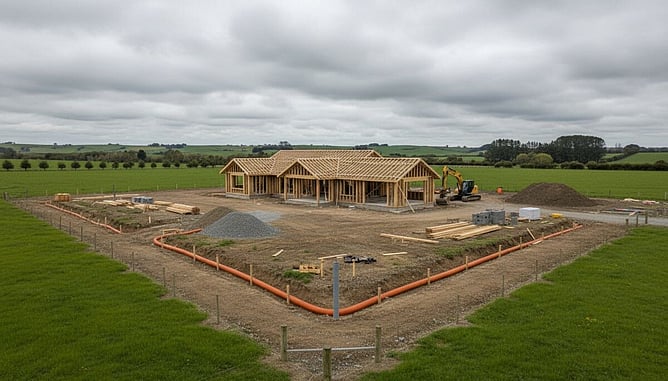
Coordinate Driveways and Hard Surfaces With Drainage
Driveways, patios, and other hard surfaces have a major effect on how stormwater moves around a property.
As these surfaces are developed, water that previously soaked into the ground can instead be directed toward buildings, boundaries, or low points if falls and drainage are not properly considered.
DrainPro regularly installs hard-surface drainage solutions such as channels, pits, and associated stormwater infrastructure as part of wider drainage work.
This makes coordination between drainage contractors, builders, and whoever is completing the driveway or landscaping particularly important.
Before concrete or paving goes down, check that the finished levels, drainage points, and stormwater routes all work together.
Don't Leave Landscaping Until the Last Minute
Landscaping may happen late in the build, but the landscape plan can still influence earlier drainage decisions.
Retaining walls, raised garden areas, paths, pools, patios, fences, and large planting areas can alter water movement or restrict access to underground infrastructure.
If the landscaping contractor only sees the property once all other services have been completed, their preferred design may conflict with existing drainage or require further excavation.
Likewise, DrainPro's work is easier to coordinate when future structures and hard surfaces are known before drainage routes are finalised.
The goal is not to have every finishing detail selected at the beginning of the build. Even a broad understanding of where major outdoor features will sit can help reduce conflicts later.
Allow for Future Services Where It Makes Sense
Future-proofing does not necessarily mean installing every possible feature from day one. Sometimes it simply means recognising that a property may change.
A homeowner might add an electric vehicle charger, detached shed, security gate, outdoor entertaining area or additional landscaping several years after moving in.
Where there is an obvious future requirement, planning an accessible route or making sensible allowances during construction can be significantly easier than excavating finished areas later.
The same principle applies to drainage.
The wastewater and stormwater solutions installed for a property should suit the site, intended use, and long-term requirements rather than being treated as isolated pieces of infrastructure.
Make Sure Contractors Are Working From the Same Information
Many site-service problems are not caused by poor workmanship. They happen because one contractor is working from information another contractor has never seen.
Before groundworks progress, it is worth confirming that relevant trades understand:
the latest site plan and building position
driveway and hard-surface locations
drainage and wastewater routes
utility and electrical service routes
retaining walls and major landscaping features
gates and external structures
project sequencing and access requirements
A short conversation early in the project can sometimes prevent a much more expensive conversation later.
Better Coordination Makes for a Smoother New Build
Every new-build site is different.
A compact Hamilton section can create very different challenges from a lifestyle property outside Cambridge or Te Awamutu, but the basic principle remains the same: the more services that need to occupy the site, the more important early coordination becomes.
Drainage is one of the first systems worth getting right because so much of the finished project will eventually sit above or around it.
By confirming drainage requirements, identifying other underground services and communicating with the wider project team before work progresses, builders can reduce clashes and keep the site ready for the next stage.
If you're planning a new residential build and need reliable drainage, stormwater or wastewater advice, contact DrainPro to discuss your project and get the drainage sorted at the right stage of the build.