Choosing the right septic contractor can have a major impact on how smoothly a rural new build runs. Unlike a standard urban connection, septic tanks and on-site wastewater systems need to suit the land, soil conditions, expected wastewater load and local compliance requirements.
Getting the wastewater contractor involved early gives builders a better chance of avoiding redesigns, access issues and unnecessary delays once earthworks and construction are already underway.
TL;DR
Builders should look for a septic contractor who can manage more than installation alone. The right contractor should understand site conditions, soil performance, wastewater design, council requirements, earthworks coordination and the wider construction programme.
DrainPro works with builders on rural wastewater projects from planning and system selection through to installation, documentation and compliance support.
A Good Septic Contractor Should Understand the Whole Wastewater System
A septic project involves much more than choosing a tank and putting it in the ground. The entire wastewater system needs to work together, including the treatment unit, drainage pipework and land application area.
The right contractor should be looking at the full site from the beginning. That means considering how wastewater will leave the building, how it will be treated, where it will be dispersed and whether the available land can support the system being proposed.
DrainPro’s wastewater and drainage services are built around this broader approach, helping builders coordinate the full system rather than treating each component as a separate job.
We have drainlayers and septic tank installers across the country, so see how our team can help you:
Email office@drainpro.co.nz
Phone: 03 342 1278
The Tank Is Only One Part of the Job
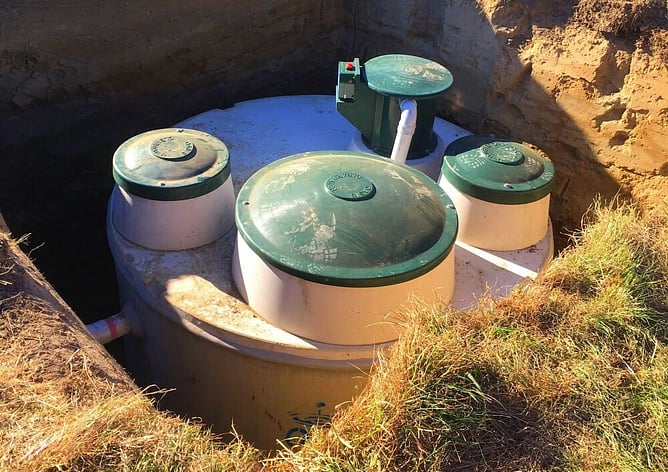
The treatment unit itself is only one part of the overall system. The pipe runs, levels, disposal area, access and commissioning requirements all need to work together if the installation is going to function properly.
A contractor who focuses only on supplying the tank may leave the builder managing the design, excavation, discharge area and compliance separately. That can create more coordination work than expected and increase the risk of important details being missed.
Site Conditions Should Drive the System Choice
No two rural sites are exactly the same, which means the wastewater system should be selected around the conditions of the property.
Clay soils, sandy soils, sloping land, high groundwater and limited disposal space can all affect the design. A good contractor should be able to explain why a particular system has been recommended and how the site influenced that decision.
Choose a Contractor Who Can Assess the Site Properly
Builders should be cautious about accepting a wastewater recommendation before the site has been properly reviewed.
The system needs to match the land, not just the building. Soil conditions affect how treated wastewater can be dispersed, while site levels and topography can influence pipe routes, disposal areas and whether pumping may be required.
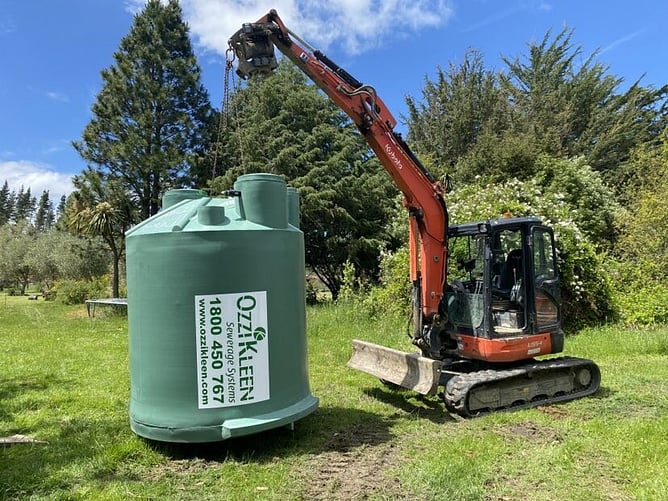
The contractor should also consider access. Tanks and treatment systems often need machinery for delivery and placement, and those access requirements can become much harder to manage once fencing, materials, framing and other site works begin limiting movement.
A proper site assessment gives the builder more certainty before installation begins and reduces the chance of discovering late in the project that the chosen layout is unsuitable.
We can help you with this:
Email office@drainpro.co.nz
Phone: 03 342 1278
We have teams in the following locations: Christchurch | Central Otago | Hamilton & Waikato | Auckland North/West | Tauranga & Bay of Plenty
Look for a Septic Contractor Who Can Help With Compliance
Compliance is one of the biggest areas where the right wastewater contractor can make life easier for a builder.
A rural wastewater system may require design documentation, council approval, inspections and final sign-off. If it is not clear who is responsible for those tasks, the physical installation can be complete while the project is still waiting on paperwork.
Council Requirements Should Be Considered Early
Wastewater requirements can vary depending on the site and the local authority.
Builders should establish early what plans, reports, approvals and inspections are likely to be required. The contractor should also understand when those steps need to happen in relation to earthworks and installation.
Sorting those requirements before work starts reduces the risk of compliance becoming a bottleneck later.
Paperwork Should Not Become Another Job for the Builder
Builders are already coordinating multiple trades, suppliers, inspections and deadlines.
A septic contractor who can assist with wastewater design, documentation and compliance takes one more administrative burden off the builder.
At DrainPro, we aim to support the project from the technical planning stage through to installation and sign-off, so the builder is not left chasing separate parties at the end of the job.
Make Sure They Can Recommend the Right System
There is no single wastewater system that suits every rural new build.
Some properties may suit a conventional septic arrangement, while others may need an aerated or more advanced wastewater treatment system. The right option depends on the site conditions, wastewater volume, available disposal area and local requirements.
The important thing for the builder is not knowing every technical difference between systems. It is choosing a contractor who can explain why a particular option has been recommended and how it suits the actual project.
A strong contractor should be able to talk through the expected wastewater load, the available land application area, the soil conditions and the maintenance requirements of the proposed system. That gives the builder a clearer understanding of what is being installed and why.
Choose a Contractor Who Understands Construction Programmes
Technical ability matters, but builders also need a contractor who understands sequencing.
Septic installation may involve excavation, trenching, tank placement, pipework, electrical connections and reinstatement. All of that needs to fit around earthworks, plumbing, landscaping and the wider build programme.
Talk to our team at Drainpro:
Email office@drainpro.co.nz
Phone: 03 342 1278
Septic Installation Needs to Coordinate With Earthworks
Earthworks and septic installation often overlap.
If final levels, fill or excavation are completed without considering the wastewater system, parts of the site may need to be dug up again.
Early coordination helps establish where the tank, trenches and disposal area will sit before machinery starts shaping the site around them.
Site Access Needs to Be Planned Early
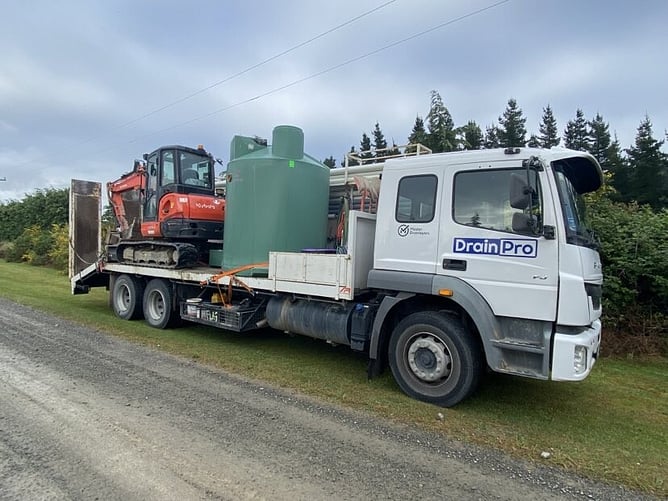
Large tanks and treatment systems need suitable access for delivery and machinery.
That becomes more difficult once the site is crowded with framing materials, fencing, landscaping works or other trades.
Planning the installation sequence early can make the job faster and reduce disruption to the rest of the programme.
Other trades may also need information from the wastewater contractor. Plumbers need to know where connections are located, electricians may need to coordinate power supplies for certain treatment systems, and landscapers need to understand which areas should remain accessible or protected.
Ask for a Clear Septic Installation Quote
Builders should know exactly what is included when comparing septic pricing.
A low headline price can look attractive, but it may not include everything required to get the system designed, installed and signed off.
A detailed quote should make it clear whether the scope includes site assessment, wastewater design, soil testing, supply of the treatment unit, excavation, pipework, the disposal area, commissioning, documentation and council-related requirements.
Some parts of the job may still be separate depending on the project, but those exclusions should be obvious from the beginning.
Clear pricing also makes project budgeting easier. Builders are often managing several subcontractor packages at once, so cost certainty matters.
DrainPro works with builders who want a clearly scoped wastewater package and a better understanding of what is included before work begins.
Check Their Experience With Rural New Builds
Rural wastewater projects often involve challenges that are less common on urban sites.
There may be no connection to a public sewer, which means the on-site system becomes a critical part of the project. Rural sites can also involve larger distances, sloping ground, variable soil conditions, difficult access and limited suitable disposal areas.
A contractor who regularly works on rural builds is more likely to recognise those issues early and factor them into the design.
Local experience can also make a difference because ground conditions and council expectations can vary from one region to another.
The more familiar the contractor is with rural wastewater work, the easier it is for them to anticipate the practical issues that can affect design, installation and sign-off.
Why Reliability Matters Just as Much as Technical Ability
A technically sound wastewater design is only useful if the contractor can install it at the right time and keep the project moving.
Builders need subcontractors who communicate clearly, turn up when they say they will and provide documentation without repeated chasing.
A delayed septic installation can affect several stages of the build. Backfilling, plumbing connections, landscaping or even final handover may depend on the wastewater system being completed and approved.
Good communication is just as important. Builders should know what information is still required, when the work is scheduled and whether there are any issues holding up installation or compliance.
That kind of transparency makes it much easier to manage the wastewater package alongside every other part of the project.
Why Builders Choose DrainPro for Septic Projects
DrainPro works with builders and developers on septic systems, wastewater engineering and rural drainage projects.
Our aim is to make the wastewater side of the build easier to manage from early planning through to installation and sign-off.
We Handle More Than Installation
Depending on the project, we can assist with site assessment, wastewater design, system selection, installation, documentation and compliance support.
That means builders can deal with one wastewater team across multiple stages rather than trying to coordinate separate contractors for design, supply and installation.
We Design Around the Site
We take the actual site conditions into account before recommending a wastewater system.
Soil, topography, available disposal area and wastewater loading all influence the final design.
The goal is to install a system that suits the project rather than force a standard solution onto every rural property.
For builders, that also means clearer communication, practical coordination and a wastewater contractor who understands that our work needs to fit into a much larger construction programme.
Frequently Asked Questions
When Should a Builder Engage a Septic Contractor?
Ideally, before major site works begin. Early involvement allows the wastewater design, disposal area, levels and access requirements to be coordinated with the rest of the build before those decisions become difficult to change.
What Information Is Needed to Quote a Rural Septic System?
Site plans, proposed building use, expected occupancy, wastewater information, soil details and any existing council or engineering documentation can all help establish the scope. The more accurate the information provided, the easier it is to prepare a suitable design and quote.
Does Every Rural New Build Need the Same Septic System?
No. The appropriate system depends on soil conditions, slope, groundwater, expected wastewater loading, available disposal area and local requirements. The system should be selected around the site rather than using the same approach for every property.
Should the Septic Contractor Handle Council Paperwork?
Builders should confirm this before awarding the work. A contractor who can assist with wastewater design, documentation, inspections and compliance can reduce the amount of administration the builder needs to manage later.
Can DrainPro Handle Septic Design and Installation?
Yes. DrainPro can support rural wastewater projects from early planning and system selection through to installation and compliance. You can view our wider wastewater and drainage services for more information.
Choose a Septic Contractor Who Makes the Build Easier
The right septic contractor should make the wastewater package easier to manage, not create another coordination problem for the builder.
If you have an upcoming rural new build or development, contact DrainPro early to discuss the site, wastewater requirements and project pricing.
Talk to our Drainpro team now!
Email: office@drainpro.co.nz
Head Office Phone: 03 342 1278
We have branches in the following areas: