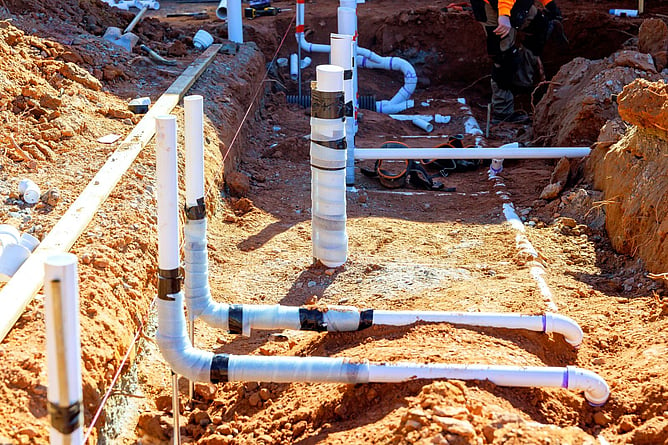
Once excavation, retaining, slabs, driveways and other site works are underway, changing the drainage plan becomes much harder. That is why getting local drainlayers DrainPro involved early can make a real difference to the way a build runs.
Bringing your drainlayer into the project before site works begin helps confirm levels, service routes, stormwater requirements and access while there is still time to make practical changes without disrupting other trades.
TL;DR
Getting your drainlayer involved early can help reduce rework, protect the construction programme and make coordination between trades much easier. DrainPro works with builders on new-build drainage and can assist with planning, installation, compliance paperwork and council sign-off, giving builders a clearer path from initial site works through to project completion.
Drainage Decisions Affect More of the Build Than You Might Think
Drainage is not an isolated part of a construction project. The routes available for pipework can be affected by the position of foundations, driveways, retaining walls, landscaping, services and finished ground levels.
If those parts of the project are designed or installed without considering drainage, the available options can become restricted later. That can result in extra excavation, revised layouts or delays while the drainage approach is changed to suit what is already on site.
Levels Need to Be Confirmed Early
Drainage relies on suitable falls, depths and connection points, which makes site levels particularly important.
Once finished floor levels, external ground levels or retaining walls have been locked in, changing them can become difficult. If the drainage requirements have not been considered properly at that stage, the drainlayer may be forced to work around decisions that were made without the full water path in mind.
Involving us early gives us an opportunity to review the available levels before they become expensive or impractical to alter.
Drainage Routes Need to Work With the Whole Site
A drainage plan might look straightforward on paper, but the route still needs to work alongside everything else going into the ground.
Foundations, underground power, water services, retaining, driveways and landscaping all compete for space. Coordinating these elements before machinery starts moving earth can reduce the risk of one trade creating an obstacle for another.
For builders, that means fewer surprises once the site becomes busy.
Early Drainlayer Involvement Helps Builders Avoid Rework
Rework is one of the easiest ways to lose time and margin on a project.
If drainage decisions are made after other work has already been completed, correcting the issue may require extra excavation or disturbing work that was already finished. Our article on coordinating drainage and landscape design early looks at exactly why those conversations are worth having before exterior areas become locked in.
Need help? Talk to our Drainpro team for drainage help.
Email: office@drainpro.co.nz
Phone: 03 342 1278
It Is Easier to Install Drainage Before the Site Gets Crowded
Drainage installation often requires machinery access, trenching and room to move materials around the site.
That is much easier before fencing, framing materials, landscaping, concrete and other site activity begin restricting access.
On smaller or more complex sites, even a relatively minor access problem can make the job slower than it needed to be. Planning the drainage sequence early means the work can be completed while the site is still practical to operate in.
Finished Work Should Not Need to Be Dug Up Again
No builder wants to see completed work disturbed because an underground service was missed or installed in the wrong sequence.
If paving, concrete, landscaping or retaining has already been completed, making drainage changes later can turn a straightforward job into a much larger one.
Early coordination helps reduce that risk by making sure the underground requirements are understood before the finished surfaces go down.
Your Drainlayer Needs to Understand the Full Water Path
Effective drainage planning is about more than simply connecting a pipe from one point to another.
Both wastewater and stormwater need to be considered as part of the wider site. The drainage system needs to work with the house layout, roofwater, hard surfaces and available discharge points.
Wastewater Connections Should Be Confirmed Early
Wastewater routes need suitable falls and connection locations.
If plumbing connection points are not coordinated with the underground drainage, trades can end up working from different assumptions about where services will meet.
Confirming those details early gives the plumber, drainlayer and builder a clearer picture of how the system is intended to work before the installation reaches a critical stage.
Stormwater Needs to Work With Roofwater and Hard Surfaces
Stormwater also needs to be considered alongside downpipes, driveways, paths and other areas that collect or redirect water.
Our article on coordinating guttering and stormwater explains why above-ground and below-ground drainage should be planned as one system.
If the underground stormwater is designed without knowing where roofwater or hard-surface runoff is coming from, changes may be required once exterior work begins.
Early Coordination Helps Protect the Construction Programme
Builders are not only managing drainage. They are managing an entire sequence of subcontractors, inspections, deliveries and deadlines.
That means a drainage issue can affect much more than the drainlayer's programme. If a trench cannot be completed, a connection point needs to move or information is missing, other trades may be forced to work around the delay.
Clear Information Makes Trade Scheduling Easier
When drainage layouts and requirements are confirmed early, it becomes easier to plan when each trade needs to be on site.
Earthworks can be completed with drainage in mind, plumbers know where their connections need to meet, and concreters or landscapers are less likely to be working over areas that still require access.
The more information that is agreed before the job starts, the fewer assumptions need to be made on site.
Fewer Surprises Mean Fewer Delays
Not every construction issue can be predicted, but many drainage problems can be avoided with better preparation.
We focus on clear communication, efficient delivery and making sure paperwork is completed when it is needed. DrainPro's wider drainlaying and wastewater services are built around helping builders and project teams get the technical information they need without having to chase it later.
Drainage Compliance Should Be Sorted Before It Becomes a Bottleneck
Drainage work does not end when the pipework goes into the ground.
Design requirements, inspections, documentation and council sign-off can all affect whether the project can move forward as planned. If responsibility for those items is unclear, they can become an avoidable bottleneck late in the build.
Drainage Design Should Match the Actual Site
The site itself can influence the drainage solution.
Levels, soil conditions, available discharge points and connection locations may all affect how the drainage needs to be installed.
Getting the drainlayer involved early gives us an opportunity to identify practical issues before construction progresses too far, rather than trying to make the design fit a site that has already changed.
Paperwork Should Not Be Left Until the End
Builders already have enough documentation to manage without discovering late in the project that drainage paperwork is incomplete.
At DrainPro, we place a strong emphasis on handling the compliance side properly. That can include design coordination, documentation and council sign-off where required.
For builders, the benefit is simple. You know from the beginning who is responsible for getting the drainage requirements through the process.
Talk to our team at Drainpro:
Email office@drainpro.co.nz
Phone: 03 342 1278
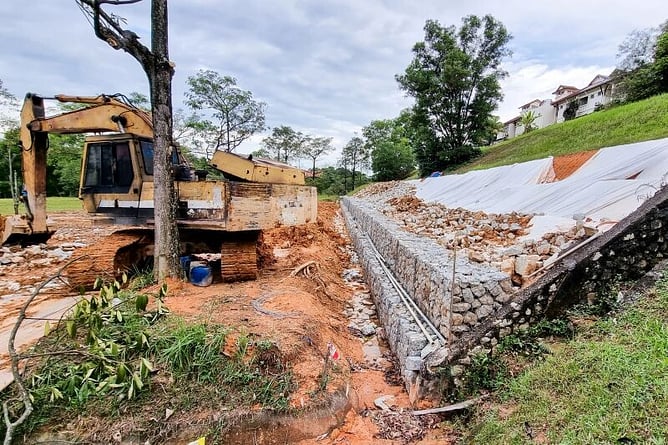
Builders Need Drainlayers Who Can Work With Other Trades
A good drainage contractor needs to understand more than their own scope.
New-build drainage sits alongside plumbing, excavation, concrete, landscaping and other services. If each trade works independently, clashes and sequencing problems become far more likely.
Plumbing and Drainage Need to Be Coordinated
The plumbing system inside the building eventually needs to connect with the drainage system outside it.
That means connection locations, pipe heights and timing need to be aligned. Our article on how plumbing and drainage systems work together explains why these trades need to coordinate rather than treat their work as separate systems.
When those details are settled early, both trades can work toward the same layout.
Earthworks and Drainage Should Not Work From Separate Assumptions
The earthworks contractor may be establishing levels, moving fill or creating access in the same areas where drainage needs to run.
If that work is completed without considering pipe routes and depths, the drainlayer may have to excavate areas again or adapt to levels that are less suitable.
A short coordination conversation before excavation begins can save much more time later.
Landscaping and Exterior Works Need the Drainage Plan Too
Driveways, paths, retaining and landscaped areas all affect how water moves across the property.
They can also restrict access to underground drainage once installed.
This is why drainage needs to be considered before exterior areas are finalised, particularly where hard surfaces or retaining structures will sit over or near pipework.
What Should Builders Have Ready Before Drainlaying Starts?
The more information available at the beginning, the easier it is to price and plan the drainage accurately.
Useful information can include current site plans, finished levels, drainage plans, wastewater and stormwater connection details, downpipe locations and any known retaining or landscaping requirements.
Relevant engineering or council documentation can also help identify requirements before the team arrives on site.
Better Information Leads to Better Pricing
Clear scope information makes it easier to identify what is actually involved in the job.
If important site details are missing at the quoting stage, there is more room for unexpected work to appear once excavation begins.
DrainPro offers fixed-price drainlaying and works with builders who want greater cost certainty across their projects. Providing accurate plans and project information early helps us give you a quote that better reflects the real scope.
Why Builders Use DrainPro for New-Build Drainage
Builders need subcontractors who make the project easier to manage.
That means turning up when expected, communicating clearly, completing the work efficiently and handling the compliance requirements properly.
As certified Master Drainlayers, we work with builders across new builds, wastewater systems and light commercial projects, with a focus on dependable delivery and practical site coordination.
We Handle More Than the Pipework
Our role is not limited to installing drainage.
Depending on the project, we can assist with drainage design, installation, paperwork and council sign-off. That gives builders one drainage team to deal with from planning through to completion rather than having to coordinate multiple parties for different parts of the process.
For projects requiring broader wastewater input, our wastewater engineering and installation services can also support more complex residential and commercial requirements.
We Know Delays Affect Every Trade After Us
A drainage delay does not stay isolated for long.
Other trades may be waiting for trenches to be backfilled, services to be completed or inspections to be signed off before they can continue.
That is why we place so much emphasis on organisation, communication and completing our part of the job efficiently. Our aim is to leave the site ready for the next stage, not create another problem for the builder to manage.
Frequently Asked Questions
When Should a Builder Bring a Drainlayer Into a New Build?
Ideally, drainage should be considered before major site works begin and before levels, service routes and external areas are fully locked in. Early involvement gives the drainlayer more opportunity to identify clashes, access issues or design concerns before they affect the programme.
What Information Does a Drainlayer Need Before Starting?
Useful information typically includes site plans, drainage plans, finished levels, connection details, access requirements and any relevant engineering or council documents. The exact requirements will depend on the project.
Can Early Drainage Planning Reduce Construction Delays?
Yes. Early planning can help identify unsuitable routes, access problems and trade clashes before installation begins. That reduces the likelihood of drainage changes interrupting other work later in the build.
Who Handles Drainage Compliance and Council Sign-Off?
This depends on the contractor, so builders should confirm responsibility before appointing a drainlayer. At DrainPro, we can assist with design, compliance documentation and council sign-off as part of the drainage process.
Does DrainPro Work With Builders on Ongoing Projects?
Yes. We work with builders on new-build drainage and ongoing project requirements across our service areas. For regular construction work, our focus is on providing reliable scheduling, consistent workmanship and straightforward communication from one project to the next.
Get Your Drainlayer Involved Before the Site Gets Complicated
Early drainage planning can help builders avoid rework, protect site access and keep other trades working from the same information.
If you have an upcoming new build or development, contact DrainPro early to discuss the drainage requirements, project timing and pricing before site works begin.
Email: office@drainpro.co.nz
Head Office Phone: 03 342 1278
We have branches in the following areas: